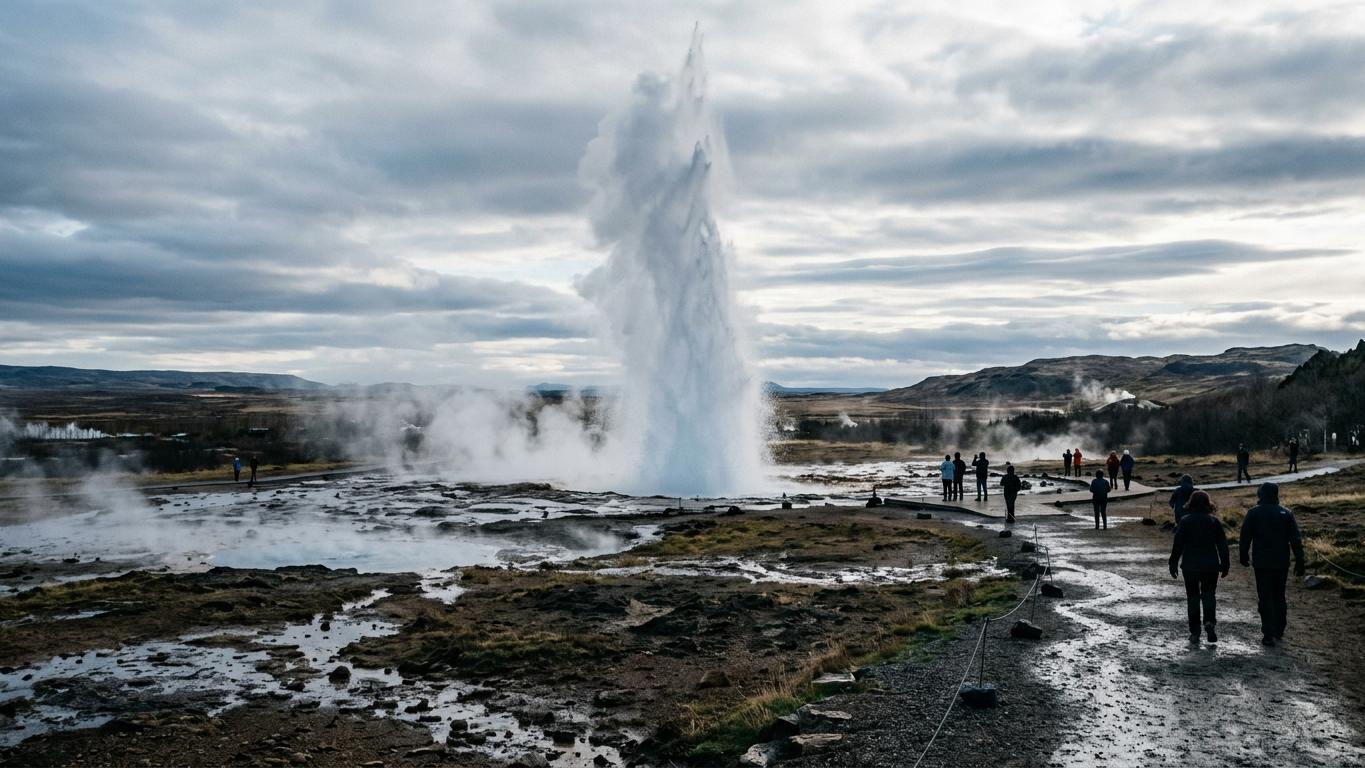
- Strokkur erupts reliably every 6-10 minutes to heights of 15-20 metres, sometimes reaching 40 metres
- Geysir itself erupts infrequently now, though it can hurl water up to 60 metres when active
- The area contains around thirty smaller geysers and hot pools within the protected Haukadalur valley
- Golden Circle tours combine Geysir with Þingvellir National Park and Gullfoss waterfall
How Often Does Strokkur Erupt
Strokkur erupts every 6-10 minutes with remarkable consistency. The fountain-type geyser typically shoots water 15-20 metres into the air, though eruptions can reach 40 metres on occasion.
This reliability makes Strokkur one of the world's most dependable natural geysers. You can watch multiple eruptions during a single visit without long waits between shows.
The geyser is located in the southwest part of the country beside the Hvítá River in the Haukadalur valley. Locals cleaned out its blocked conduit in 1963, and it has erupted regularly ever since.
Strokkur lies just 50 metres south of the original Geysir. The two geysers anchor a geothermal area that includes around thirty smaller hot springs and mud pools.
Geysir and Golden Circle Tours
More on GetYourGuide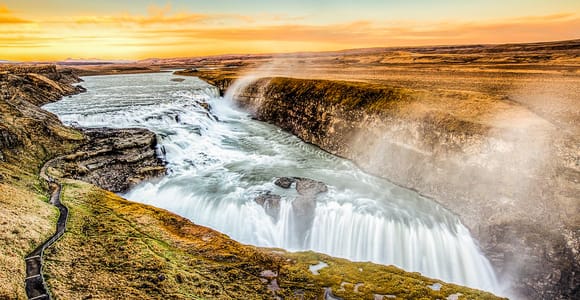 Top ratedBestsellerDay trip · 7 - 8.5 hoursReykjavik: Golden Circle Full-Day Tour with Kerid Crater★ 4.8 27 830 reviews✓ Free cancellation✓ Pickup availableBooked 77 times yesterdayfrom €79 per personSee availability →
 Day trip · 11 hoursReykjavik: Golden Circle, Kerid Crater, & Blue Lagoon Tour★ 4.9 6 150 reviews✓ Free cancellation✓ Pickup availableBooked 15 times yesterdayfrom €224 per personSee availability →
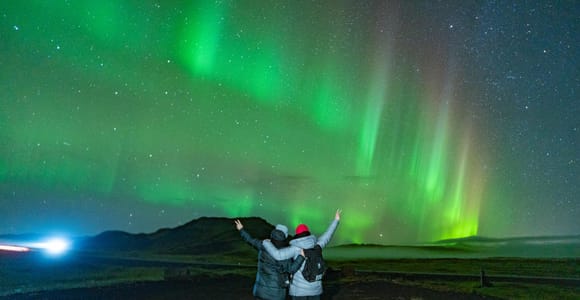 Day trip · 12 hoursReykjavík: Golden Circle & Northern Lights with Hot Cocoa★ 4.5 40 reviews✓ Free cancellation✓ Pickup availableBooked 5 times yesterdayfrom €127 per personSee availability →
Geysir Eruptions and History
Geysir itself erupts infrequently now, though geological studies suggest it started forming around 1150 CE. When active, it can hurl boiling water up to 60 metres high.
The geyser has stopped erupting completely for extended periods throughout its history. These dormant phases can last many years before activity resumes.
The English word geyser derives directly from Geysir's name. This linguistic legacy reflects the site's importance to early travellers and scientists.
Geysir lies in the Haukadalur valley on the slopes of Laugarfjall lava dome. The Ministry for the Environment and Natural Resources officially protected the area on 17 June 2020.
- Strokkur is one of very few natural geysers to erupt frequently and reliably
- Short wait times between eruptions allow multiple viewing opportunities
- Around thirty geothermal features create a varied landscape beyond the main geysers
- The site gave the English language the word geyser, making it historically significant
- Protected status since 2020 ensures conservation of this geological wonder
- Geysir itself erupts rarely and has stopped altogether for years at a time
- Weather conditions can change rapidly
- Boiling water and steam require constant attention to safety
Golden Circle Geysir Stop
Geysir forms one third of Iceland's Golden Circle route alongside Þingvellir National Park and Gullfoss waterfall. This combination creates the country's most famous tourist route.
The predictable timing of Strokkur eruptions allows you to see multiple eruptions during your visit. Check tour details for stop durations.
You can combine Geysir with Iceland's hot springs on extended itineraries. The Golden Circle and Secret Lagoon tour adds bathing to the sightseeing route.
Day trips from Reykjavik typically visit all three Golden Circle sites. Small group tours offer more flexible schedules than large coaches.
Geysir Hot Springs Landscape
The Haukadalur valley contains around thirty geothermal features beyond Strokkur and Geysir. Fumaroles, mud pools, and smaller geysers are located around the area.
Strokkur was first described in written records in 1789. The geothermal activity predates tourism by centuries, shaped by volcanic forces beneath the valley.
Steam rises constantly from multiple vents across the landscape. The mineral-rich water creates colourful deposits around pool edges and channels.
Pathways guide visitors through the active zones. Stay on marked paths for safe views of eruptions and bubbling springs.
Compare prices, reviews and free-cancellation options before you book.
Check availability →Geysir Safety and Viewing
Boiling water and steam demand constant awareness at geothermal sites. Stay on marked paths and behind barriers at all times.
Strokkur's eruptions reach 15-20 metres typically, with occasional bursts to 40 metres. Wind can blow spray towards viewing areas, so waterproof layers help.
Never touch the water in any pool or runoff channel. Temperatures can cause severe burns even in shallow streams.
Children require close supervision throughout the site. The combination of slippery surfaces, steam, and sudden eruptions creates multiple hazards.
Planning Your Geysir Visit
The geothermal area lies in south-western Iceland along the Golden Circle route. Check road conditions on road.is before driving, especially in winter.
Dress in layers and prepare for changing weather conditions. Wind can be strong near steaming vents.
Plan to see at least two or three Strokkur eruptions to capture photos and appreciate the cycle. The 6-10 minute intervals make this easy.
Bus tours handle transport and timing, while self-drive tours let you set your own pace. Private tours offer customised Golden Circle itineraries including Geysir.
Compare prices, reviews and free-cancellation options before you book.
Check availability →Golden Circle Route Comparison
| Stop | Type | Key Feature | Relation to Geysir |
|---|---|---|---|
| Geysir | Geothermal | Strokkur erupts every 6-10 minutes | Part of Golden Circle route |
| Þingvellir | Historical/Geological | Continental rift and parliament site | Part of Golden Circle route |
| Gullfoss | Waterfall | Two-tier cascade | Part of Golden Circle route |
| Kerið Crater | Volcanic | Lake-filled explosion crater | Optional add-on |
Extended Golden Circle itineraries may include Secret Lagoon Iceland or other attractions. Multi-day tours combine the circle with south coast destinations.
Strokkur's reliable 6-10 minute eruption cycle makes Geysir geothermal area the most predictable geyser experience in Iceland. Geysir itself erupts rarely, but the surrounding landscape of thirty hot springs justifies the Golden Circle stop. The guaranteed Strokkur show delivers for every visitor.
More tours to compare
More on GetYourGuide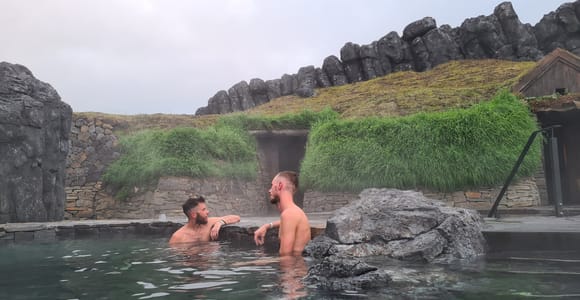 Day trip · 11 hoursReykjavik: Golden Circle, Kerid Crater and Sky Lagoon Tour★ 4.9 638 reviews✓ Free cancellation✓ Pickup availableBooked 4 times yesterdayfrom €209 per personSee availability →
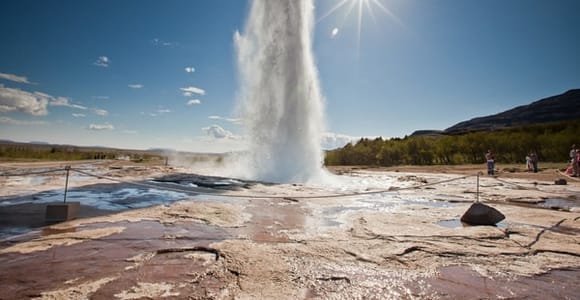 Day trip · 7 - 8.5 hoursFrom Reykjavik: Best of Golden Circle Afternoon Tour★ 4.8 1 890 reviews✓ Free cancellation✓ Pickup availableAvailable tomorrowfrom €71 per personSee availability →
 BestsellerDay trip · 10 hoursFrom Reykjavik: Golden Circle, Kerid, & Secret Lagoon Tour★ 4.8 6 554 reviews✓ Free cancellation✓ Pickup availableBooked 15 times yesterdayfrom €115 per personSee availability →
Frequently asked questions
How often does Strokkur erupt?
Strokkur erupts every 6-10 minutes. The geyser typically shoots water 15-20 metres high, though it can reach 40 metres during some eruptions.
Does Geysir still erupt?
Geysir erupts infrequently now and has stopped altogether for many years at a time in the past. When it does erupt, water can reach 60 metres high.
What is the Golden Circle in Iceland?
The Golden Circle combines Geysir, Þingvellir National Park, and Gullfoss waterfall. These three sites form Iceland's most famous tourist route.
How many geysers are at Geysir?
Around thirty geysers and hot pools exist in the Haukadalur valley area. Strokkur erupts reliably every few minutes, while Geysir itself is now largely dormant.
Where is Geysir located in Iceland?
Geysir lies in the Haukadalur valley on the slopes of Laugarfjall lava dome in south-western Iceland. Strokkur sits about 50 metres south of the original Geysir.