- Aurora forecasts use a scale of 0 to 9 for predicted activity levels
- Iceland sits within viewing range of the auroral zone centred on 67° north latitude
- Darkness hours vary throughout the year in Reykjavík
- Geomagnetic storms peak during the 11-year sunspot cycle and three years after
How Aurora Forecasting Works
Aurora forecasts use a scale from 0 to 9 for predicted activity at midnight. Higher numbers indicate stronger displays, though you still need partly clear skies to see them.
The NOAA Space Weather Prediction Center provides short-term forecasts with 30 to 90 minutes of lead time. These predictions track the auroral oval's location and intensity, helping you time your viewing.
Large geomagnetic storms occur most often during the peak of the 11-year sunspot cycle. They also appear frequently in the three years after. During these periods, auroras can appear at lower latitudes than usual.
Check current aurora forecasts for Iceland before heading out to see real-time activity levels and cloud predictions.
Northern Lights Tours in Iceland
More on GetYourGuide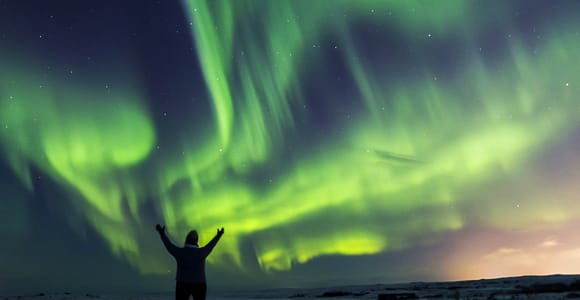 Top ratedDay trip · 4 hoursFrom Reykjavik: Northern Lights Bus Tour with Hot Cocoa★ 4.3 15 350 reviews✓ Free cancellation✓ Pickup availableBooked 67 times yesterdayfrom €76 per personSee availability →
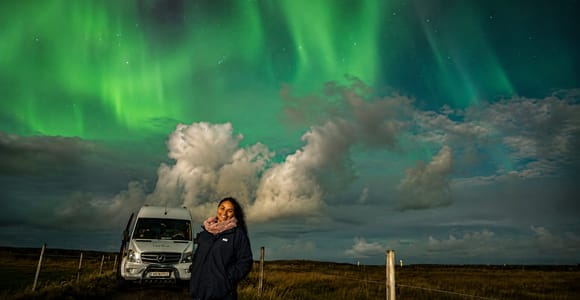 Day trip · 4 hoursNorthern Lights: 4x4 Tour with Treats, Hot Cocoa & Photos★ 4.4 528 reviews✓ Free cancellation✓ Pickup availableAvailable today and tomorrowfrom €135 per personSee availability →
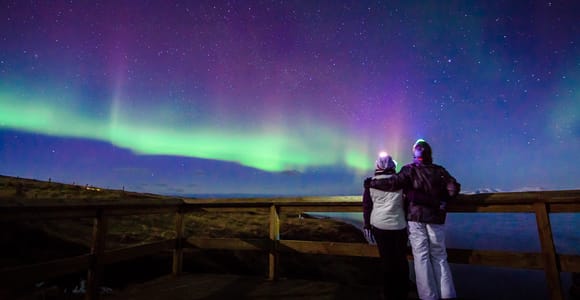 Day trip · 4 hoursSmall-Group Premium Northern Lights Tour from Reykjavik★ 4.4 3 221 reviews✓ Free cancellation✓ Pickup availableBooked 23 times yesterdayfrom €95 per personSee availability →
Iceland's Position in the Auroral Zone
The aurora borealis appears in areas around the Arctic. These include Alaska, Canada, Iceland, Greenland, the Faroe Islands, Scandinavia, Finland, Scotland, and Russia.
The auroral zone is approximately 660 kilometres wide, centred on 67° north and south latitude. Displays are most common within this band, though large storms temporarily expand the oval.
During strong geomagnetic storms, auroras occasionally reach as far south as the Mediterranean, East Asia, and the southern United States. Iceland's position offers viewing opportunities near this zone.
Many visitors combine aurora viewing with winter activities in Iceland for a complete Arctic experience.
- Iceland's location near the auroral zone provides viewing opportunities
- Multiple forecast tools offer 30 to 90 minutes of lead time for displays
- Auroras occur most commonly at altitudes around 100 kilometres
- Green auroras are easiest to see due to eye sensitivity and oxygen concentration
- Large storms can expand the viewing zone beyond typical latitudes
- Weather in Iceland changes and affects visibility
- Moon phases alter sky darkness and viewing conditions
- Cloud cover blocks visibility even during high aurora activity
- Artificial light from cities reduces contrast and visibility
Darkness Requirements Through the Year
The spectacle of Aurora Borealis requires dark and partly clear skies. Summer months in Iceland have extended daylight, making viewing impossible.
Sunset, darkness, sunrise, and moonrise timings vary throughout the year in Reykjavík. Moon phases affect sky darkness.
Travellers often pair aurora viewing with day trips from Reykjavik to fill daylight hours during winter.
Altitude and Colour of Displays
Auroras result from photon emissions in Earth's upper atmosphere, above 80 kilometres altitude. No displays occur below 70 kilometres, and only 6.5 percent appear above 150 kilometres.
The maximum in the height distribution sits around 100 kilometres. This altitude range determines which atmospheric gases create which colours.
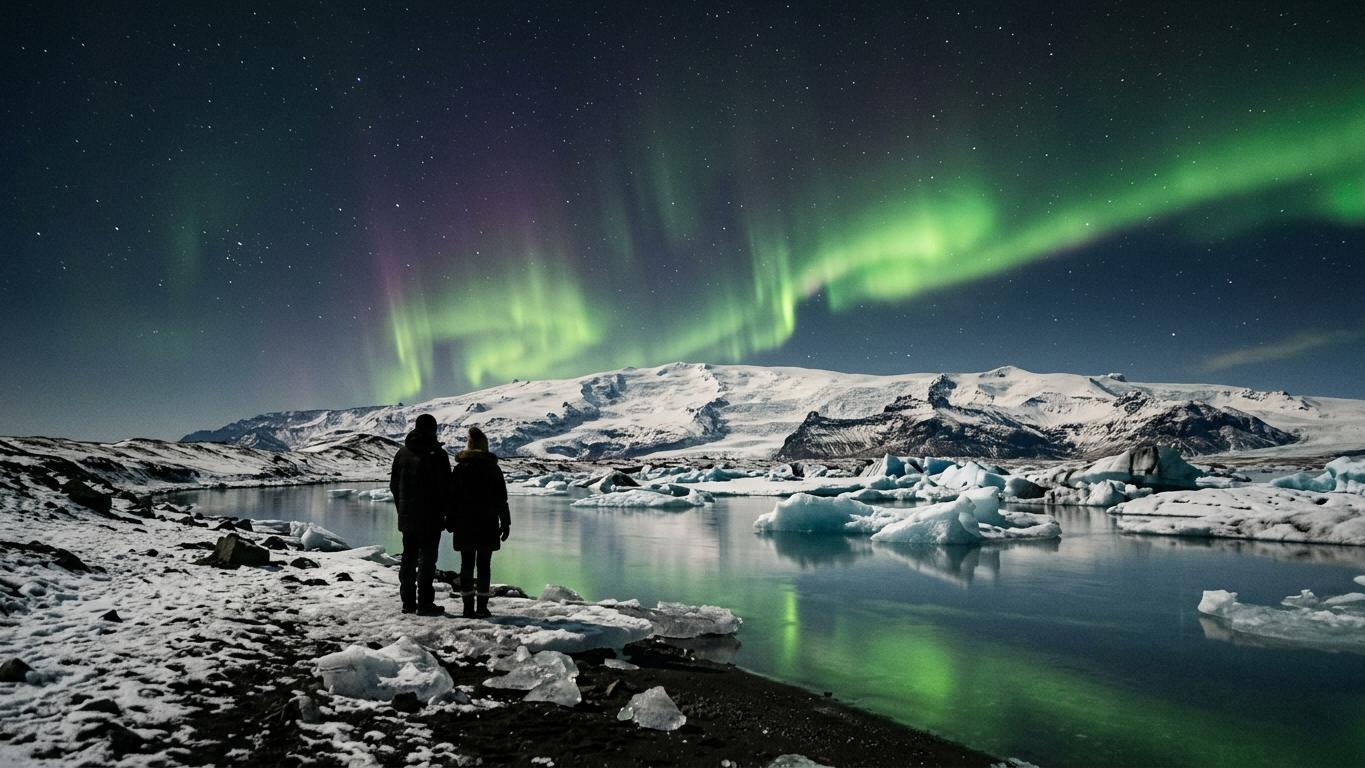
Green auroras are most common due to fairly high atomic oxygen concentration. They also benefit from greater eye sensitivity to green wavelengths. It can take 0.7 seconds to emit the 557.7 nanometre green light.
Blue and purple emissions appear at the lower edges of curtains during highest solar activity levels. Yellow and pink auroras are relatively rare and associate with high solar activity. Red 630.0 nanometre emission can take up to two minutes.
Compare prices, reviews and free-cancellation options before you book.
Check availability →Monthly Viewing Conditions Compared
| Month | Darkness Hours | Weather Pattern | Viewing Notes |
|---|---|---|---|
| September | Increasing | Variable, milder | Shorter nights |
| October | Longer | Cooling, unsettled | Extended darkness |
| November | Extended | Colder, snow starts | Long viewing hours |
| December | Maximum | Winter storms | Longest nights |
| January | Maximum | Cold, snow common | Peak darkness |
| February | Decreasing | Cold, drier spells | Still long nights |
| March | Shorter | Transitional | Nights reducing |
| April | Limited | Spring arrives | Brief darkness |
The table shows how darkness and weather patterns shift through the year. Midwinter offers the longest viewing windows.
Consider combining aurora hunting with Golden Circle tours or visits to thermal lagoons.
Auroral Substorms and Display Duration
Auroras often undergo global changes in a process called auroral substorm. Displays can change dramatically in a few minutes, then gradually shift back over one to three hours.
These substorms create dynamic curtains, arcs, and rays that move across the sky. Activity levels rise and fall throughout the night.
A single evening can include multiple quiet periods and active bursts. Patience and flexibility improve your chances of witnessing strong displays.
Some travellers join guided aurora tours where drivers monitor forecasts and move between locations to find clear skies.
Planning Around Weather Variability
Weather in Iceland can affect visibility even during high forecast activity. Clear spells can open suddenly between cloud bands.
Staying multiple nights increases your chances of encountering favourable conditions. Building flexibility into your itinerary helps when weather disrupts plans.
Check road conditions and closures at safetravel.is and road.is before travelling outside Reykjavik. Winter roads require preparation and appropriate vehicles.
Consider booking multi-day tours that include several evenings for aurora viewing alongside daytime activities.
Compare prices, reviews and free-cancellation options before you book.
Check availability →Combining Aurora Viewing with Other Activities
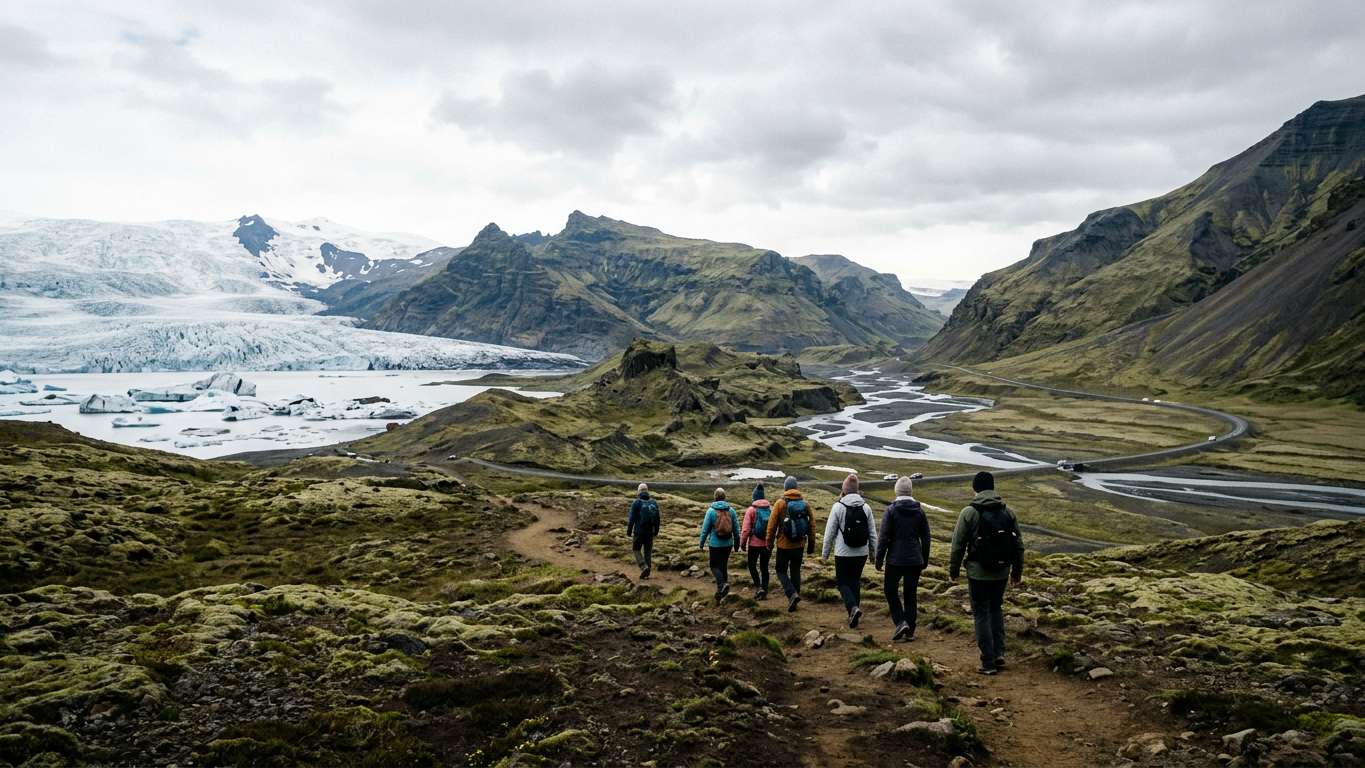
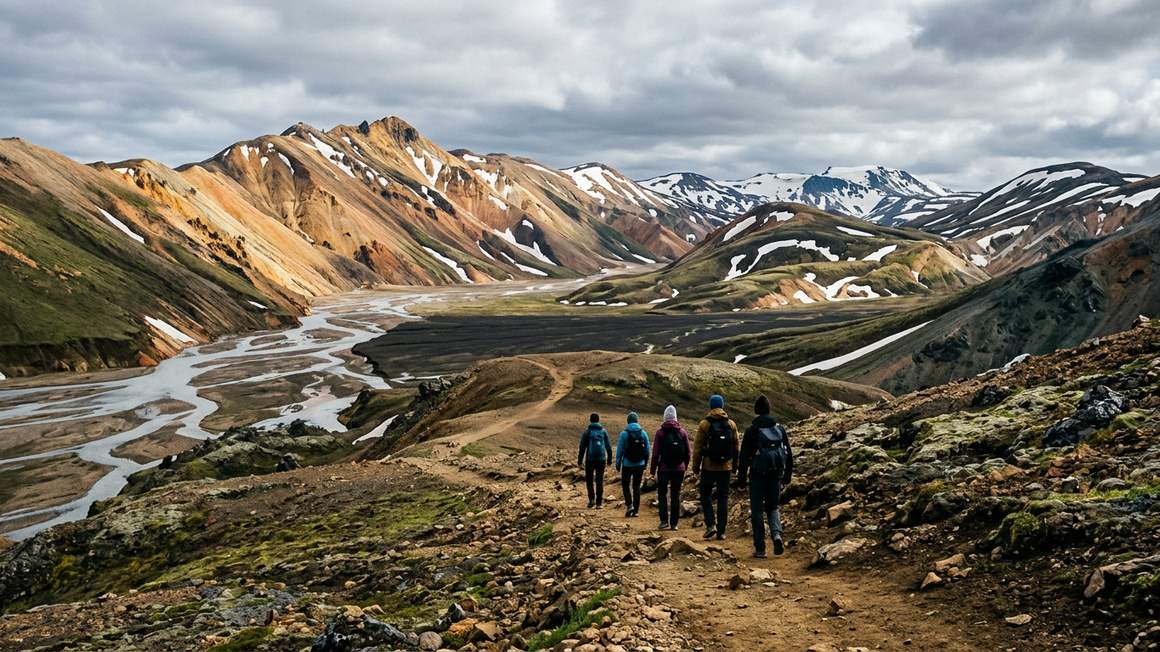
Winter in Iceland offers activities beyond aurora hunting. Daylight hours suit glacier hiking, ice cave visits, and south coast exploration.
Some visitors pair evening aurora searches with daytime trips to Jokulsarlon or Reynisfjara beach. Winter landscapes provide dramatic backdrops for displays.
Hot spring stops at Secret Lagoon or Sky Lagoon offer warmth between outdoor viewing sessions. Many lagoons operate evening hours during winter.
Options like small group tours or private tours provide tailored itineraries matching your interests and schedule.
Viewing aurora borealis in Iceland requires balancing darkness hours against weather conditions. Building multiple nights into your trip and staying flexible with plans improves your chances of witnessing displays during clear spells.
More tours to compare
More on GetYourGuide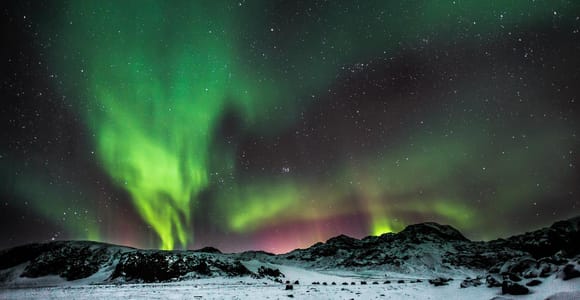 Guided tour · 3 hoursFrom Reykjavik: Northern Lights Tour★ 3.7 1 668 reviews✓ Free cancellation✓ Pickup availableAvailable today and tomorrowfrom €70 per personSee availability →
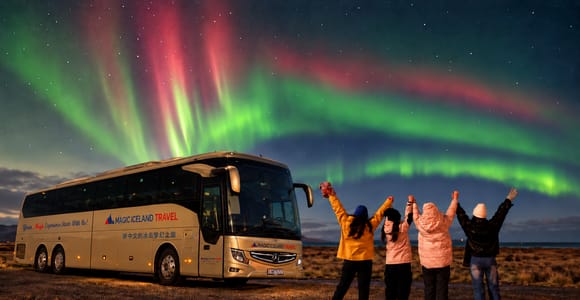 Day trip · 4 hoursReykjavik: Northern Lights Coach Tour with Local Hunters★ 4.4 506 reviews✓ Free cancellation✓ Pickup availableAvailable today and tomorrowfrom €72 per personSee availability →
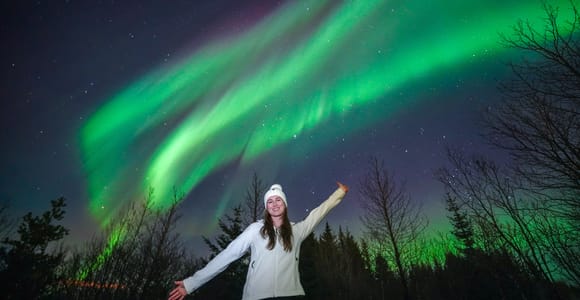 Day trip · 4 hoursReykjavík: Minibus Northern Lights Tour, Photos & Hot Cocoa★ 4.0 147 reviews✓ Free cancellation✓ Pickup availableAvailable today and tomorrowfrom €99 per personSee availability →
Frequently asked questions
What scale do aurora forecasts in Iceland use?
Forecasts use a scale of 0 to 9 to predict auroral activity at midnight. Higher numbers indicate stronger expected displays, though clear skies are still required for viewing.
Where is the auroral zone located?
The auroral zone is a band approximately 660 kilometres wide, centred on 67° north and south latitude. Iceland sits within viewing range of this northern band.
Why are green auroras most common?
Green auroras occur most often due to fairly high atomic oxygen concentration at typical aurora altitudes. They also benefit from greater human eye sensitivity to green wavelengths.
When do large geomagnetic storms happen?
Large storms are most common during the peak of the 11-year sunspot cycle. They also occur frequently during the three years after the peak.
At what altitude do auroras occur?
Auroras result from emissions above 80 kilometres, with no displays below 70 kilometres and only 6.5 percent above 150 kilometres. The maximum in the height distribution sits around 100 kilometres.