- The lagoon is 75 km west of Höfn and 60 km east of Skaftafell, accessible from Route 1
- Boat tours and kayak trips are provided by several companies. Ice cave tours depart from the car park in winter
- Seals gather at the mouth of the lake in winter to catch fish. They can be seen swimming or on icebergs
- The outlet glacier Breiðamerkurjökull recedes about 200 m every year, with icebergs up to 30 m high
What Makes Jökulsárlón Worth Visiting
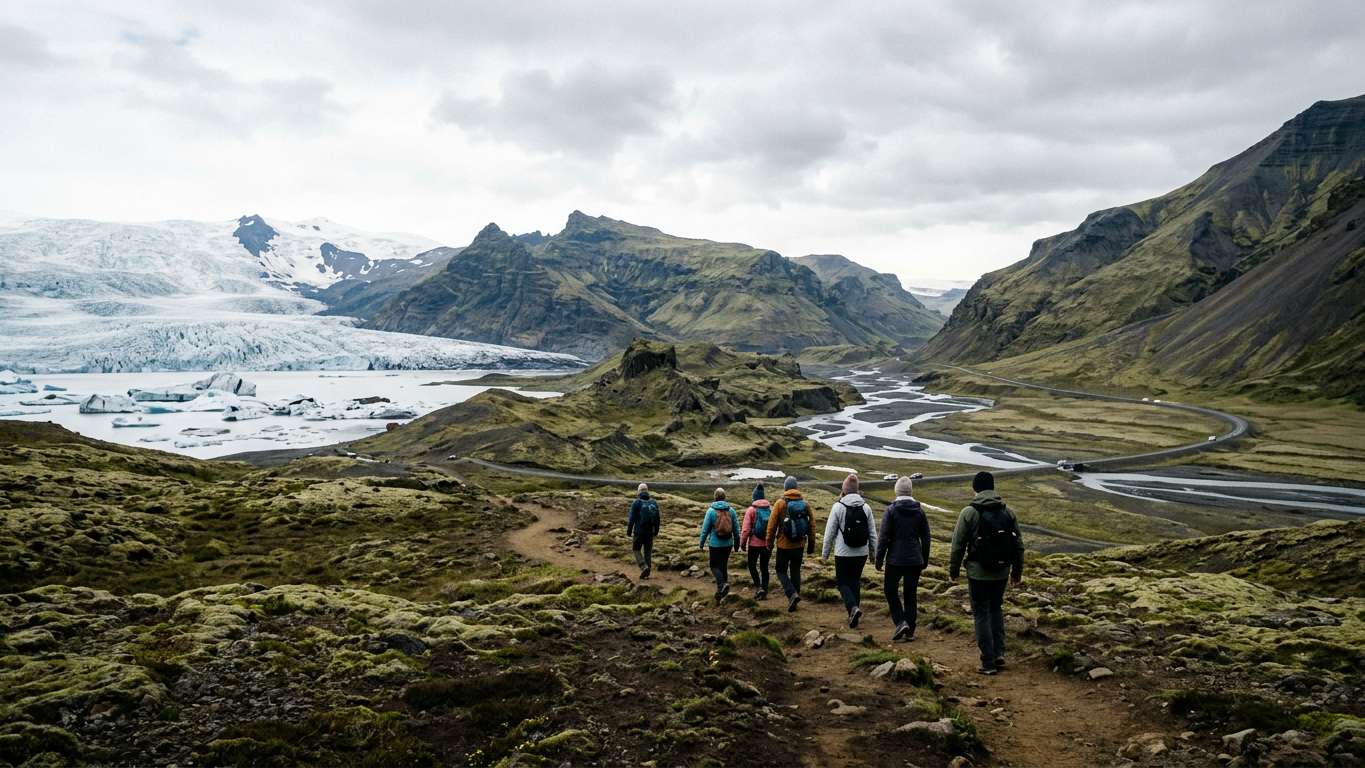
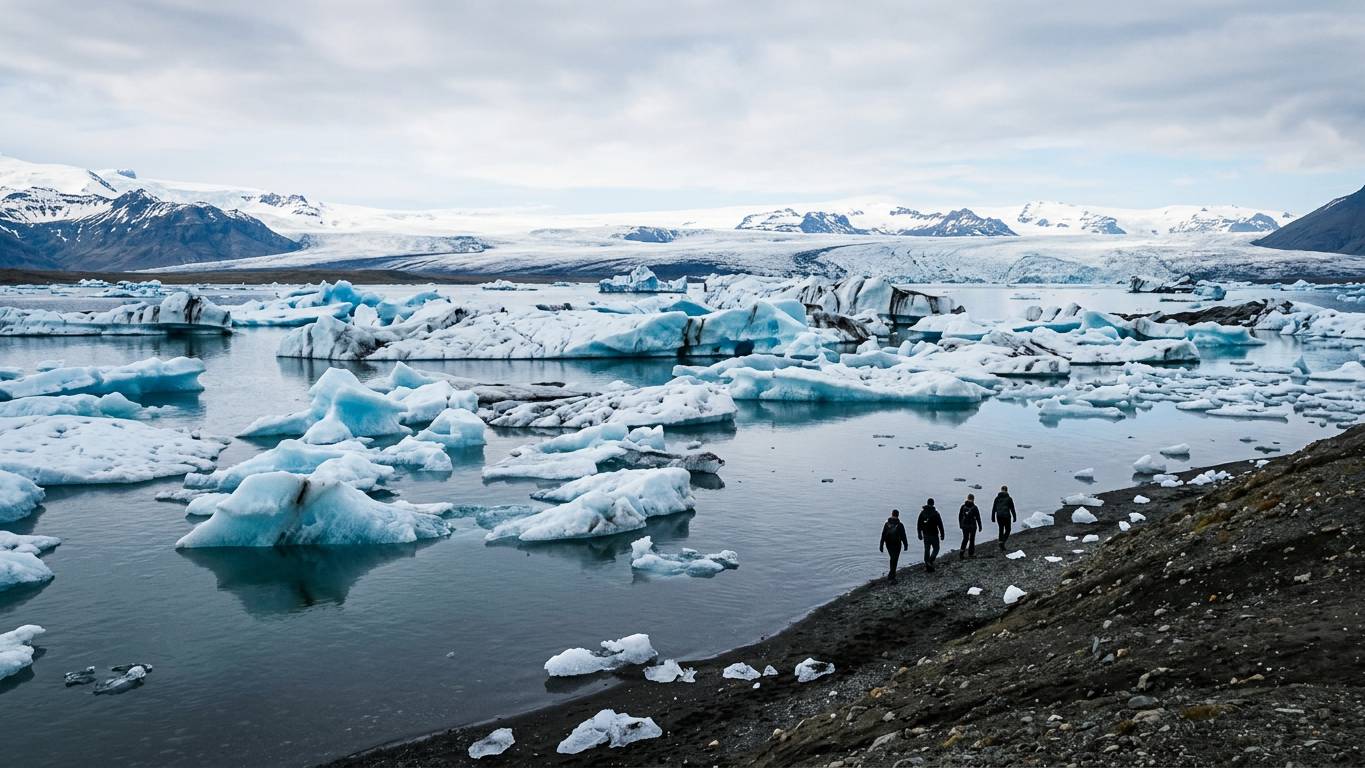
Jökulsárlón is a large glacial lake in the southern part of Vatnajökull National Park. The lake sits at the head of Breiðamerkurjökull, an outlet glacier from the Vatnajökull ice cap. The ice cap rises to 900 m. The glacier front stands about 8 km from the ocean's edge.
In 2009 the lagoon was reported as the deepest lake in Iceland at over 284 m. The lake covers an area of about 25 km². Huge blocks of ice that calve from the edge of Vatnajökull are about 30 m high. These icebergs drift through the lagoon before reaching the sea.
Vatnajökull National Park was inscribed as a UNESCO World Heritage Site on 5 July 2019. The park covers 14,967 km², approximately 14% of Iceland. Many visitors combine Jökulsárlón with south coast tours or stop here during multi day tours around the Ring Road.
Jökulsárlón Glacier Lagoon Tours
More on GetYourGuide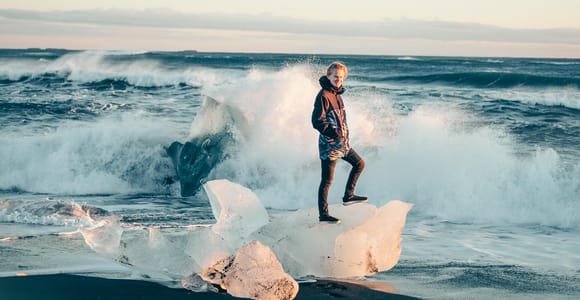 Top ratedBestsellerDay trip · 14 hoursReykjavik: Jokulsarlon Glacier Lagoon & Diamond Beach Tour★ 4.7 4 056 reviews✓ Free cancellation✓ Pickup availableAvailable tomorrowfrom €191 per personSee availability →
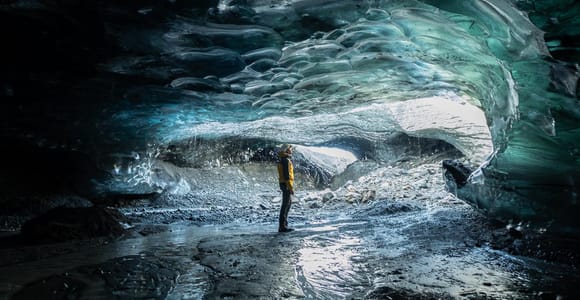 Guided tour · 3 hoursJökulsárlón: The Original Ice Cave Tour on Vatnajökull★ 4.5 1 217 reviews✓ Free cancellationfrom €152 per personSee availability →
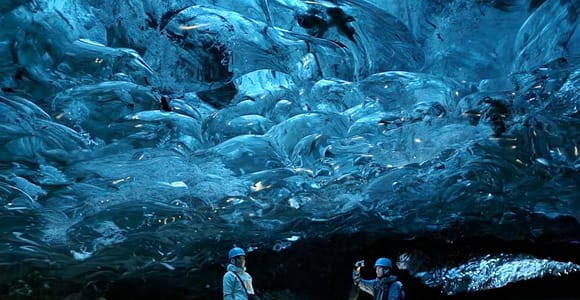 Guided tour · 6 hoursJökulsárlón: Small-Group Blue Ice Cave Tour & Glacier Walk★ 4.7 89 reviews✓ Free cancellationfrom €217 per personSee availability →
Getting to the Lagoon
The lagoon is 75 km west of Höfn town and 60 km east of Skaftafell. You can see the lake from Route 1, the Ring Road. Self drive tours give you the flexibility to stay as long as you want.
Check road conditions on road.is before you go, especially in winter. The lagoon is accessible by Route 1.
There are hiking trails around the area, and park rangers work there all year round. During summer months, rangers offer free educational walks for visitors.
- Visible from the main road with easy access from Route 1
- Lagoon tours provided by several companies in boats or kayaks
- Park rangers offer free educational walks during summer months
- Seals are seen swimming in the lagoon or lying on icebergs
- Part of a UNESCO World Heritage Site since 2019
- The glacier is receding rapidly at about 200 m per year
- Check road.is for winter conditions before you go
- The lagoon is 75 km from the nearest town of Höfn
Boat Tours and Lagoon Activities
There are lagoon tours provided by several different companies in boats or kayaks. Commercial boat tours on the lake started in 1985. For the past few years, the company has carried 60,000 to 70,000 passengers annually.
Jökulsárlón boat tours take you between the icebergs. Kayak tours offer another way to explore. Check tour details on GetYourGuide for availability.
In winter, ice cave tours leave from the lagoon parking lot. Check availability before you book.
Seals and Wildlife at the Lagoon
Seals gather in large numbers at the mouth of the lake during winter to catch fish. Seals are seen either swimming in the lagoon or lying on icebergs.
Bring binoculars for better views of seals on distant icebergs. Stay on marked paths and keep a respectful distance from wildlife. Park rangers can tell you where seals have been spotted recently.
Compare prices, reviews and free-cancellation options before you book.
Check availability →Diamond Beach Across the Road
The icebergs that float out of Jökulsárlón wash up on the black sand shore across the road. This stretch is known as Diamond Beach for the ice chunks scattered along it. The contrast between black sand and blue ice makes it a popular photography spot.
You can walk to Diamond Beach from the lagoon car park. Check safetravel.is for warnings about ocean conditions.
Day Trip or Overnight: What Works
Many visitors include the lagoon as part of day trips from Reykjavik or overnight trips along the south coast. The choice depends on how much time you want at each stop.
Day trips cover the lagoon plus other stops like Reynisfjara beach, Skógafoss, and Seljalandsfoss. Overnight trips let you explore Skaftafell and nearby Fjaðrárgljúfur canyon at a slower pace.
Small group formats reduce the number of passengers and allow flexible stops. Compare small group tours with standard bus tours to see which schedule suits you.
Compare prices, reviews and free-cancellation options before you book.
Check availability →Planning Your Visit
Dress in layers and bring waterproof clothing. Weather changes quickly, and wind is common near the lagoon.
The lagoon is accessible by Route 1. Ice cave tours leave from the lagoon parking lot in winter. Park rangers offer free educational walks during summer months.
The glacier is receding about 200 m every year, so the lagoon's appearance changes over time. Icebergs calve unpredictably.
Jökulsárlón delivers dramatic glacier scenery with easy access from the Ring Road. Lagoon tours are provided by several companies in boats or kayaks. Ice cave tours leave from the parking lot in winter. The lagoon is 75 km from Höfn town.
More tours to compare
More on GetYourGuide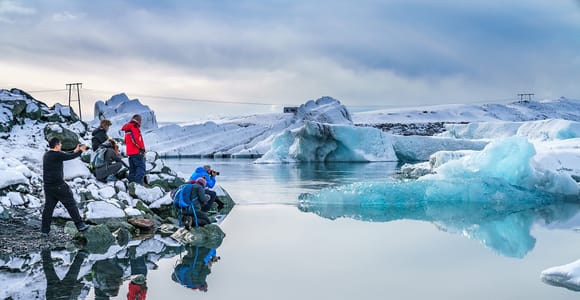 Day trip · 14.5 hoursReykjavik: South Coast, Diamond Beach, and Jökulsárlón Tour★ 4.5 1 574 reviews✓ Free cancellation✓ Pickup availableAvailable tomorrowfrom €200 per personSee availability →
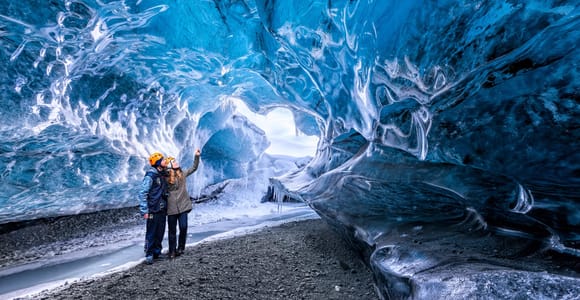 Guided tour · 3 hoursFrom Jökulsárlón: Crystal Blue Ice Cave Super Jeep Tour★ 4.5 629 reviews✓ Free cancellationAvailable tomorrowfrom €150 per personSee availability →
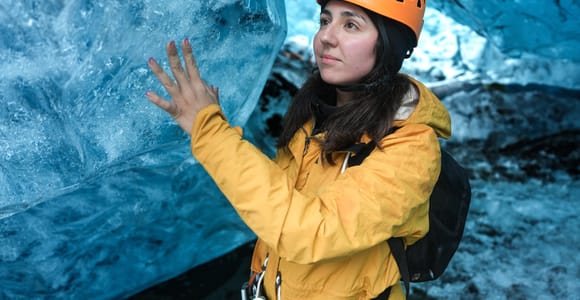 Guided tour · 3 hoursJökulsárlón: Vatnajökull Ice Cave Guided Tour★ 4.2 2 189 reviews✓ Free cancellationAvailable tomorrowfrom €147 per personSee availability →
Frequently asked questions
How deep is Jökulsárlón?
In 2009 Jökulsárlón was reported as the deepest lake in Iceland at over 284 m. The depth has likely changed as the glacier continues to recede.
Can you see seals at Jökulsárlón?
Seals gather in large numbers at the mouth of the lake during winter to catch fish. Seals are seen either swimming in the lagoon or lying on icebergs.
How far is Jökulsárlón from Höfn?
The lagoon is 75 km west of Höfn town and 60 km east of Skaftafell. You can see it from Route 1, the Ring Road.
When did boat tours start at Jökulsárlón?
Commercial boat tours on the lake started in 1985. For the past few years, the company has carried 60,000 to 70,000 passengers annually.
Is Jökulsárlón part of a national park?
Jökulsárlón and the surrounding area are part of Vatnajökull National Park, which covers 14,967 km². The park was inscribed as a UNESCO World Heritage Site on 5 July 2019.