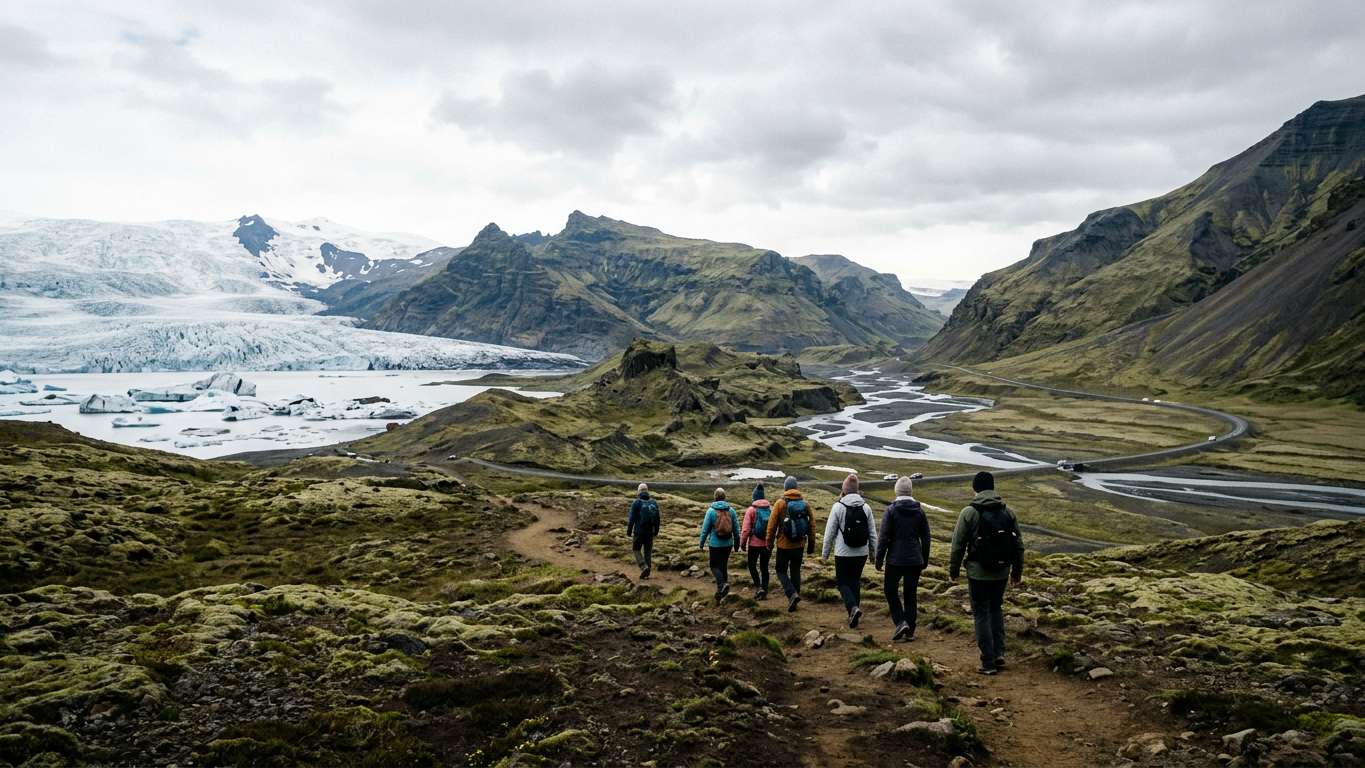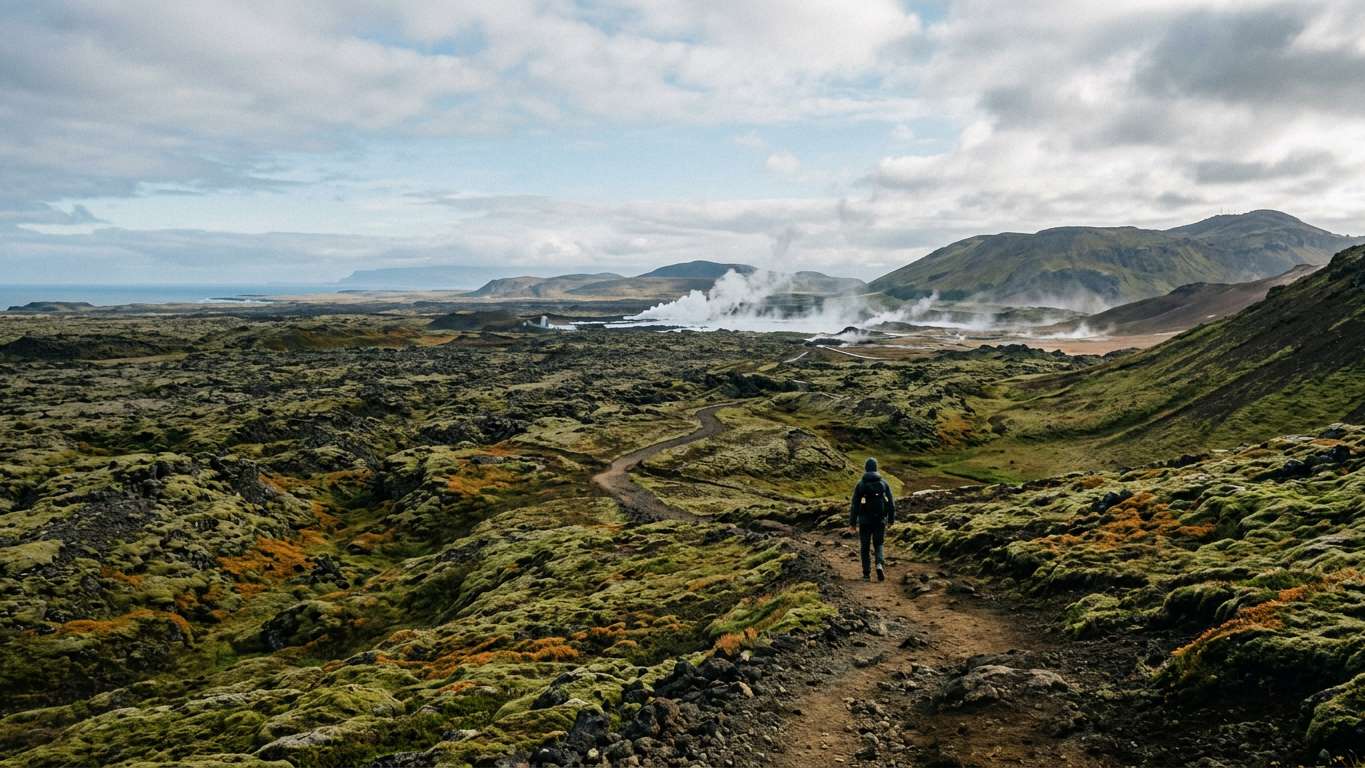
- The beach is accessible from Route 1, with parking at Jökulsárlón 75 km west of Höfn
- Icebergs calve from Breiðamerkurjökull glacier, which recedes about 200 m every year
- Vatnajökull National Park became a UNESCO World Heritage Site on 5 July 2019
- Seals gather at the lagoon mouth in winter to catch fish that drift in with the tide
Where Diamond Beach sits and how to reach it
Diamond Beach lies on the southern edge of Breiðamerkursandur, an outwash plain with a breadth of around 25 km. The plain was formed by Breiðamerkurjökull glacier. The beach sits across Route 1 from Jökulsárlón. The lagoon is 75 km west of Höfn and 60 km east of Skaftafell.
Parking facilities have been provided for visitors at the lagoon. Route 1 goes across the lake. Multi-day tours and day trips from Reykjavík include the beach on south coast itineraries.
Check road.is before setting out, as weather can close Route 1 in winter.
Book Jökulsárlón and South Coast Tours
More on GetYourGuide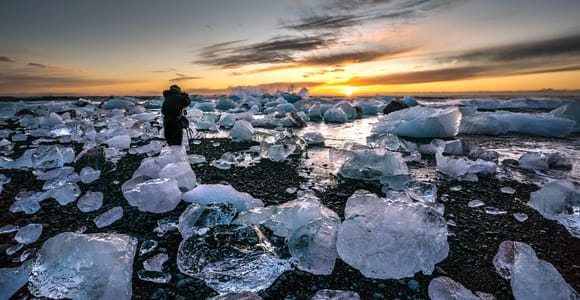 Day trip · 1 dayGlacier Lagoon Jökulsárlón & Fjallsárlón, Diamond Beach, Vík✓ Free cancellation✓ Pickup availablefrom €181 per personSee availability →
 Day trip · 14.5 hoursReykjavik: South Coast, Diamond Beach, and Jökulsárlón Tour★ 4.5 1 574 reviews✓ Free cancellation✓ Pickup availableBooked 8 times yesterdayfrom €200 per personSee availability →
 Multi-day trip · 3 daysIceland 3-Day Tour Golden Circle, Glacier Lagoon, & Ice Cave★ 4.8 114 reviews✓ Free cancellation✓ Pickup availablefrom €841 per personSee availability →
Why ice chunks appear on the sand
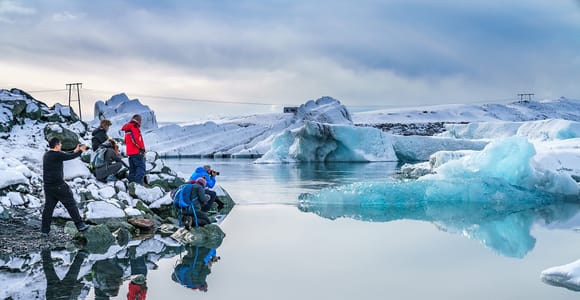
The lagoon started to form in the 1930s after Breiðamerkurjökull started to recede in the late 19th century. The glacial front is about 8 km away from the ocean's edge. The lake covers an area of about 25 km². In 2009, Jökulsárlón was reported to be the deepest lake in Iceland, at over 284 m.
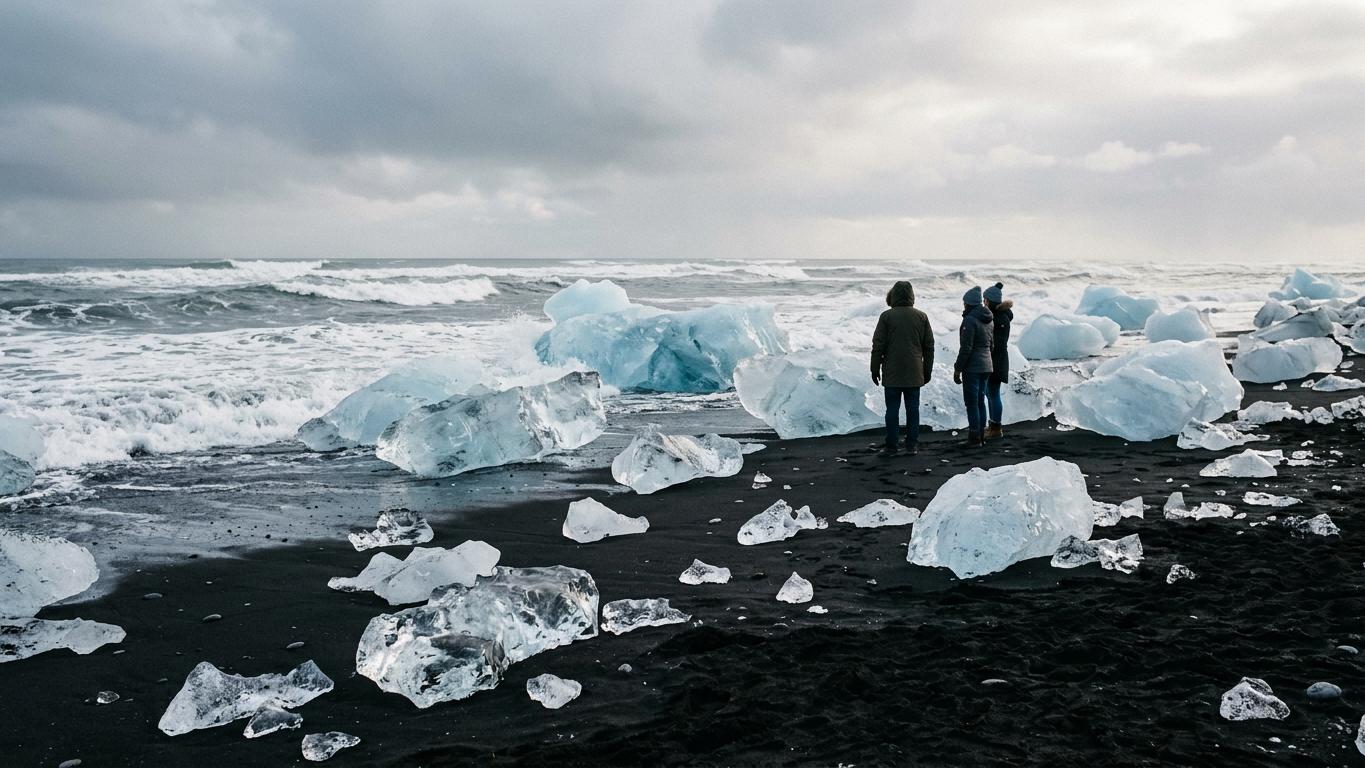
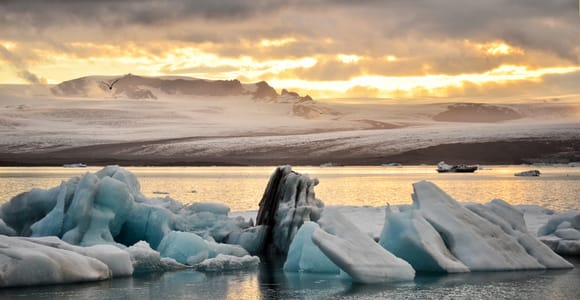
The huge blocks of ice that calve from Vatnajökull are about 30 m high. Isolated large blocks of icebergs can be seen on the black sand beach. The beach is sometimes called diamond beach because of ice chunks scattered on the sand. The name of the beach is actually Eystri-Fellsfjara.
The glacier is receding about 200 m every year.
- Visible from Route 1 and reachable on multi-day or long <a href="/south-coast-tours/">south coast tours</a>
- Isolated large blocks of icebergs can be seen on the black sand beach
- Part of Vatnajökull National Park, a 14,967 km² protected area with ranger services
- Parking facilities provided at the lagoon
- <a href="/jokulsarlon-boat-tour/">Jökulsárlón boat tours</a> and winter <a href="/ice-caves/">ice cave tours</a> leave from the lagoon car park
- Check safetravel.is for current warnings and conditions
- Strong waves and undertow common at Icelandic beaches; never turn your back on the ocean
- Weather can close Route 1 in winter; check road.is before travelling
What you see at different times of year
Isolated large blocks of icebergs can be seen on the black sand beach. Seals gather in large numbers at the mouth of the lake to catch fish during the winter. Seals are seen either swimming in the lagoon or lying on icebergs. The lake is filled with fish that drift in from the sea along with the tides.
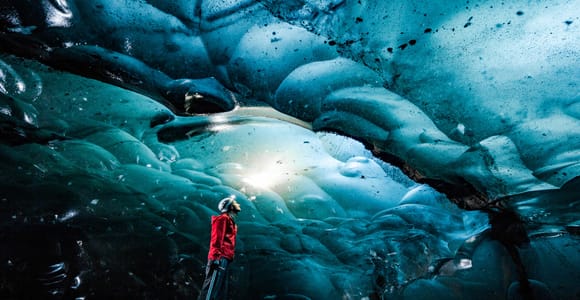
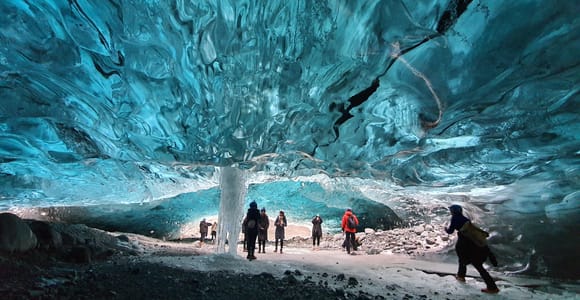
There are park rangers working in the area all year round. During the summer months, park rangers offer free educational walks for park visitors. In the winter, there are ice cave tours that leave from the lagoon parking lot.
Check conditions before planning sunrise or northern lights photography.
Combining the beach with lagoon tours and other stops
There are lagoon tours provided by several different companies in boats or kayaks. In 1985, the James Bond movie A View to a Kill premiered. The premiere marked the start of commercial boat tours on the lake. For the past few years, the company has carried 60,000 to 70,000 passengers annually.
There are hiking trails around the area that offer guests an opportunity to explore the area.
| Activity | Location | Season |
|---|---|---|
| Beach walk | Eystri-Fellsfjara | Year-round |
| Lagoon boat tour | Jökulsárlón | Check tour details |
| Ice cave tour | Departs from lagoon car park | Winter |
| Ranger walk | Vatnajökull National Park | Summer |
Many south coast tours pair the beach with Reynisfjara, Skógafoss, and Seljalandsfoss. Self-drive tours allow you to spend more time at each stop.
Compare prices, reviews and free-cancellation options before you book.
Check availability →Diamond Beach within Vatnajökull National Park
Jökulsárlón and the surrounding area are a part of Vatnajökull National Park. The size of Vatnajökull National Park is 14,967 km². On 5 July 2019, Vatnajökull National Park was inscribed as a UNESCO World Heritage Site.
Rangers manage visitor safety and conservation. Other stops in the park include Skaftafell, where glacier hikes depart, and Fjaðrárgljúfur canyon.
Practical notes for your visit
Dress in windproof and waterproof layers. Sturdy footwear helps on wet sand and around ice.
Keep a safe distance from the waterline. Strong waves and undertow are common at Icelandic beaches. Never turn your back on the ocean.
Check safetravel.is for current warnings. Download offline maps before leaving Reykjavík. Check road.is before travelling, as weather can close Route 1 in winter.
Compare prices, reviews and free-cancellation options before you book.
Check availability →How to fit the beach into your Iceland itinerary
The lagoon is 75 km to the west of Höfn town and 60 km east of Skaftafell. The lagoon can be seen from Route 1 between Höfn and Skaftafell. Bus tours and small group tours handle driving and timing.
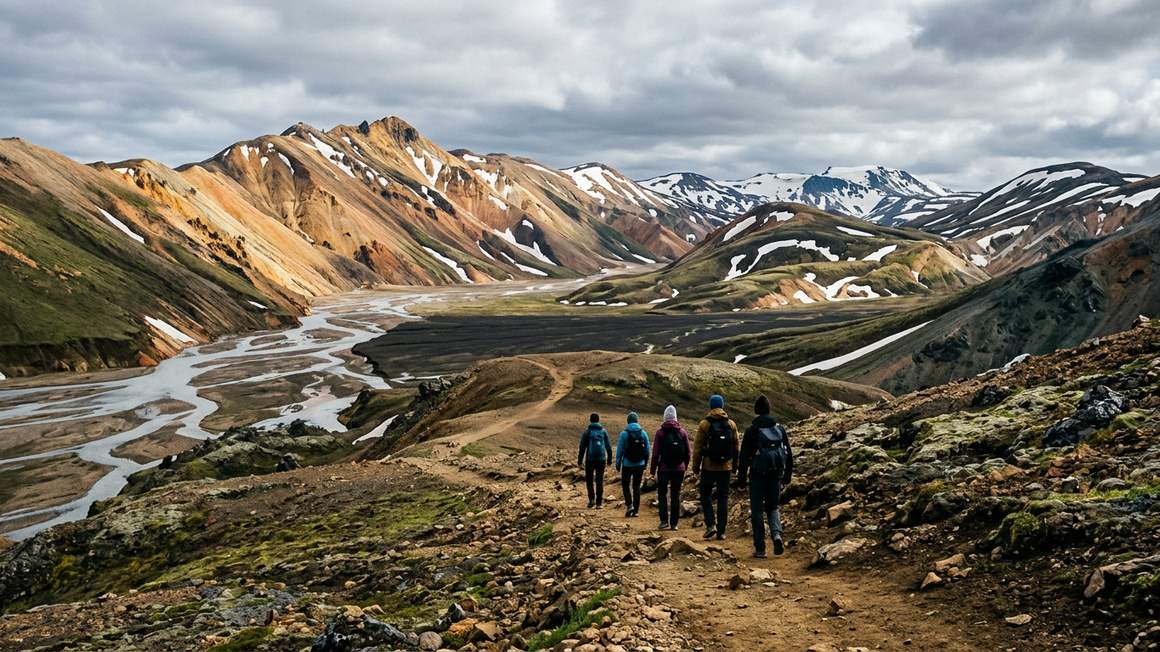
Private tours offer flexibility if you want more time at the beach or lagoon. Super jeep tours can add highland stops like Landmannalaugar.
Always confirm departure with your provider.
Diamond Beach offers a striking landscape where glacier ice meets black sand. It is accessible from Route 1 within a UNESCO World Heritage park. The beach remains a compelling stop on any south coast itinerary.
More tours to compare
More on GetYourGuide Multi-day trip · 2 daysPrivate 2-Day Tour in Iceland: South Coast & Diamond Beach✓ Free cancellation✓ Pickup available✓ Skip the linefrom €924 per personSee availability →
 Guided tour · 14 hoursFrom Reykjavik: Glacier Lagoon and Fjaðrárgjúfur Canyon Tour★ 4.8 454 reviews✓ Free cancellation✓ Pickup availableBooked 2 times yesterdayfrom €205 per personSee availability →
 Multi-day trip · 3 daysFrom Reykjavik: 3-Day South Coast Winter Tour with Ice Cave★ 4.8 209 reviews✓ Free cancellation✓ Pickup availableBooked 4 times yesterdayfrom €829 per personSee availability →
Frequently asked questions
Where is Diamond Beach in Iceland?
Diamond Beach (Eystri-Fellsfjara) sits on Route 1 beside Jökulsárlón, 75 km west of Höfn and 60 km east of Skaftafell. Parking facilities have been provided at the lagoon.
Why is it called Diamond Beach?
The beach is sometimes called diamond beach because of ice chunks scattered on the sand. The huge blocks of ice that calve from Vatnajökull are about 30 m high.
Can you visit Diamond Beach and Jökulsárlón together?
Yes, the beach sits across Route 1 from the lagoon. Route 1 goes across the lake, with parking facilities at the lagoon.
Are there icebergs on Diamond Beach in summer?
Isolated large blocks of icebergs can be seen on the black sand beach. Breiðamerkurjökull glacier recedes about 200 m every year.
Is Diamond Beach part of Vatnajökull National Park?
Yes. Jökulsárlón and the surrounding area are a part of Vatnajökull National Park, which is 14,967 km². On 5 July 2019, the park was inscribed as a UNESCO World Heritage Site.