- Puffins arrive at breeding colonies in late spring and depart in autumn after chicks fledge
- The Westman Islands hold the most common concentrations of Atlantic puffins in Iceland
- Tours operate from Reykjavik by boat and from south coast viewing points
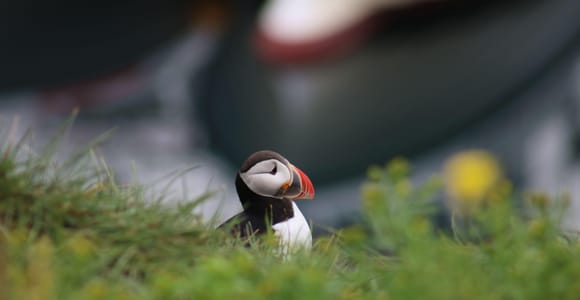
- Adult puffins measure 28 to 30 cm in length with a wingspan of 47 to 63 cm
Understanding the Atlantic Puffin Season
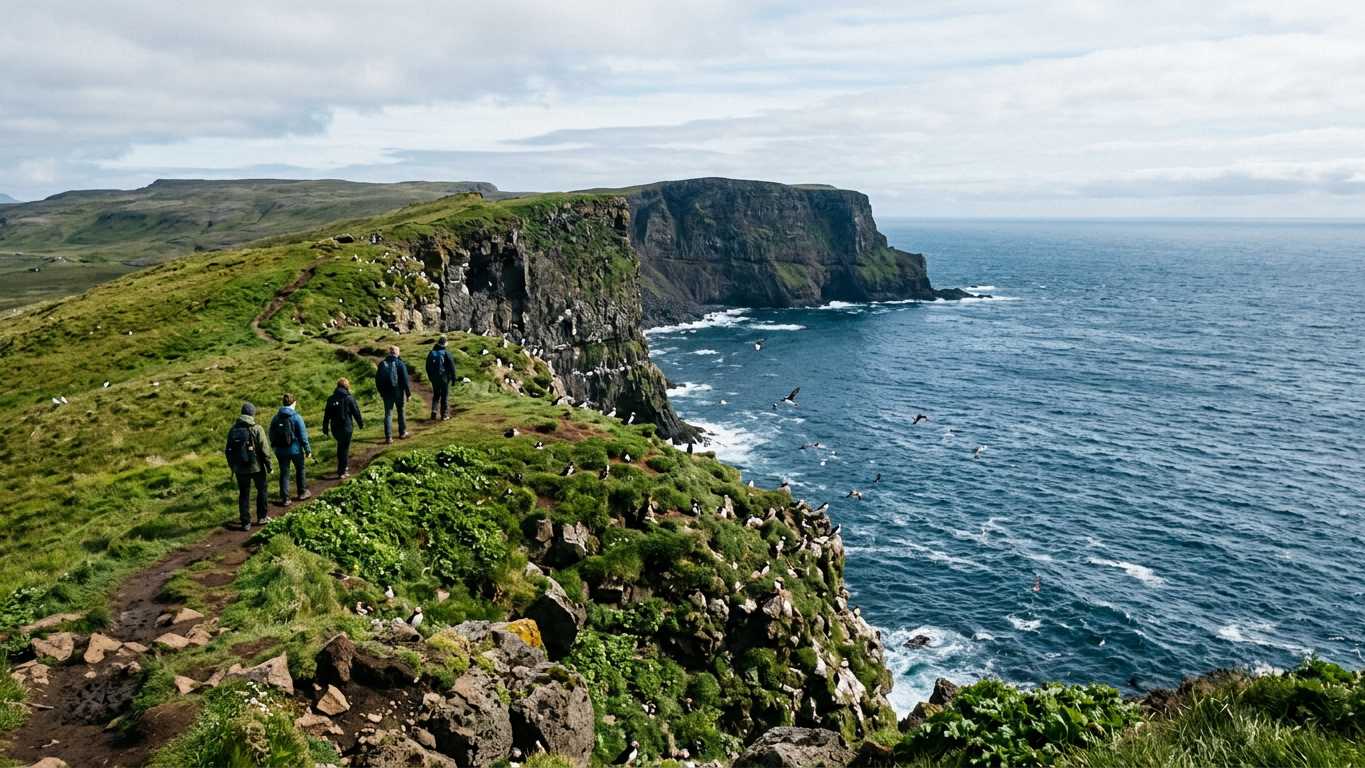
Atlantic puffins return to Icelandic coastal areas at the start of the breeding season in late spring. They nest in clifftop colonies on islands with no terrestrial predators. Adults dig burrows where a single white egg is laid.
Chicks are fully fledged after about 6 weeks and make their way to the sea at night. Adult birds and newly fledged chicks face attacks from gulls and skuas during this vulnerable period. After breeding concludes, puffins spend autumn and winter in the open ocean of cold northern seas.
The birds moult while at sea in winter, far from any viewing opportunities. Check safetravel.is before planning any coastal excursions.
Puffin Watching Tours from Reykjavik
More on GetYourGuide Top ratedDay trip · 2 hoursReykjavik: Whale and Puffin Watching RIB Boat Tour★ 4.7 494 reviews✓ Free cancellationfrom €170 per personSee availability →
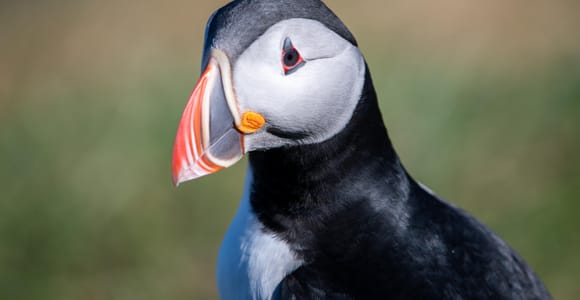 Guided tour · 2.5 hoursWestman Islands World's Largest Puffin Colony & Volcano Tour★ 4.4 52 reviews✓ Free cancellationfrom €116 per personSee availability →
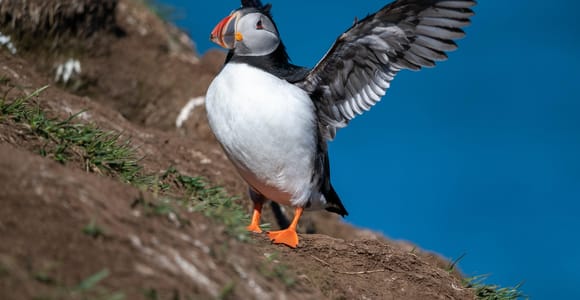 Day trip · 5 hoursPuffin & Gufufoss Waterfall Tour from Seydisfjordur Port★ 4.6 372 reviews✓ Free cancellationfrom €209 per personSee availability →
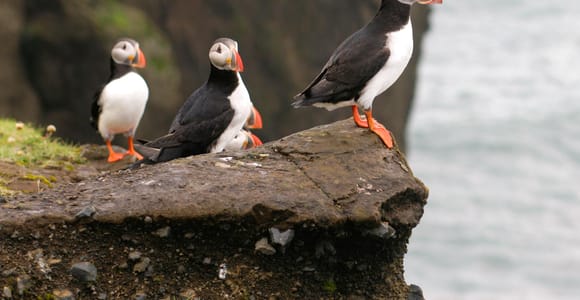 Water activity · 1 hourPuffin Watching Yacht Cruise from Downtown Reykjavík★ 4.6 39 reviews✓ Free cancellationfrom €64 per personSee availability →
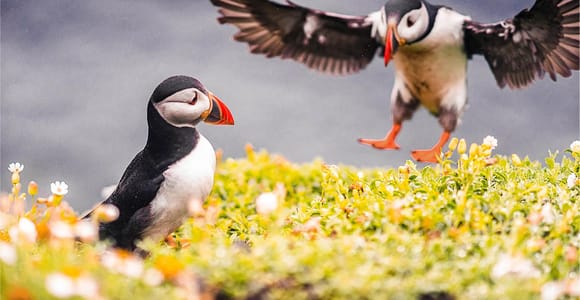 Day trip · 14 hoursFrom Reykjavik: Puffin and Volcano Tour in Westman Islands★ 4.7 216 reviews✓ Free cancellation✓ Pickup availablefrom €209 per personSee availability →
 Water activity · 1 hourReykjavik: 1-Hour Puffin Watching Tour★ 4.5 570 reviews✓ Free cancellationfrom €61 per personSee availability →
Westman Islands vs Reykjavik Boat Tours
The Westman Islands are the most common location for Atlantic puffins in Iceland. These islands support massive breeding colonies. Clifftop walks bring you close to nesting burrows during the season.
Reykjavik boat tours visit islands in Faxaflói bay where smaller colonies nest. These trips often combine puffin viewing with marine wildlife and can be convenient additions to day trips from Reykjavik. Boats approach nesting cliffs.
| Location | Colony Size | Access | Viewing Type |
|---|---|---|---|
| Westman Islands | Most common in Iceland | Check tour details | Land-based clifftop and boat |
| Reykjavik area islands | Smaller colonies | Boat tours from harbour | Boat-based only |
| Dyrhólaey | Clifftop colony | Road access from south coast | Land-based viewing platform |
- Iceland hosts the majority of the global Atlantic puffin population in accessible colonies
- Multiple viewing options from Reykjavik boat trips to clifftop sites
- Puffins breed on predator-free islands making colonies reliably located each season
- Season spans several months from late spring for flexible planning
- Boat tours from Reykjavik can combine puffin viewing with <a href="/whale-watching-reykjavik/">whale watching in Reykjavik waters</a>
- Puffins spend autumn and winter far offshore making viewing impossible outside breeding season
- Weather and sea conditions can affect boat departures and visibility
- Viewing distance depends on tour type and nesting site
- Chicks fledge at night after about 6 weeks so daytime sightings focus on adults
South Coast Viewing at Dyrhólaey
Dyrhólaey is a promontory on the south coast with puffin colonies nesting in clifftop burrows. Viewing platforms allow you to watch puffins from land without boat travel. This site works well when combined with south coast tours of Iceland visiting Reynisfjara beach and nearby waterfalls.
Access depends on season and nesting activity. Check road.is for current status before travelling. Land-based viewing gives stable footing compared to boats.
The area around Vik in south Iceland provides additional puffin spotting opportunities from coastal cliffs during breeding months.
How Atlantic Puffins Behave and Hunt
Atlantic puffins stand about 20 cm high on land and measure 28 to 30 cm from bill to tail. Their wingspan reaches 47 to 63 cm. In flight, puffins travel at 80 km/h, typically 10 m above the sea surface.
When hunting, puffins dive and can stay submerged for up to a minute. They catch small fish and return to burrows carrying multiple fish crosswise in their bills. Adults make repeated fishing trips to feed chicks during the breeding period.
Puffins breed in colonies that offer safety in numbers. The birds return to the same burrows year after year when conditions remain stable.
Combining Puffin Tours with Other Activities
Many visitors pair puffin viewing with whale watching tours across Iceland since both operate from coastal harbours. Reykjavik boat trips often include both activities in a single departure.
South coast itineraries can combine Dyrhólaey puffin stops with Jokulsarlon glacier lagoon and glacier hiking in Iceland. Small group tours in Iceland frequently include puffin colonies as part of multi-stop days.
For those arriving by cruise ship, Reykjavik shore excursions can fit a puffin boat tour within port time constraints. Multi-day tours around Iceland provide flexibility to visit colonies at different locations.
What to Know Before You Book
Puffin viewing is strictly seasonal. Birds return in late spring and depart after chicks fledge. Tours do not operate when puffins are at sea in autumn and winter.
Weather affects boat departures and sea conditions around viewing sites. Check cancellation and rebooking policies when comparing options. Dress in layers and prepare for wind even on calm days.
Check tour details about binoculars and equipment. Photography benefits from long lenses since approach distances protect nesting birds.
Book early in peak season as boat capacity and tour availability become limited. Check tour durations when planning your itinerary.
Compare prices, reviews and free-cancellation options before you book.
Check availability →Conservation and Viewing Responsibility
Atlantic puffins nest in colonies on islands specifically because terrestrial predators are absent. Human visitors must follow marked paths and viewing guidelines to avoid disturbing burrows or causing birds to flush.
Adult birds and chicks are at risk from gulls and skuas when startled into flight. Tours and viewing platforms maintain distances that protect breeding success while allowing observation.
Colonies in Iceland alone host 60% of the world's Atlantic puffin population. Responsible viewing ensures these sites remain viable for future breeding seasons.
Puffin tours in Iceland offer reliable viewing of the world's largest Atlantic puffin population from late spring. Your choice depends on itinerary and preference for land or sea-based viewing.
Frequently asked questions
When is puffin season in Iceland?
Atlantic puffins return to coastal breeding colonies in late spring. Chicks fledge after about 6 weeks and birds depart for open ocean in autumn, making viewing impossible in winter.
Where are puffins most commonly found in Iceland?
The Westman Islands are the most common location for Atlantic puffins in Iceland. Smaller colonies nest on islands near Reykjavik and at south coast sites.
How big are Atlantic puffins?
Atlantic puffins measure 28 to 30 cm from bill to tail with a wingspan of 47 to 63 cm. On land they stand about 20 cm high.
Can you see puffins from land in Iceland?
Yes, clifftop viewing sites allow land-based puffin watching during breeding season. Colonies nest in burrows on predator-free cliffs and islands.
How fast can puffins fly?
Atlantic puffins travel at 80 km/h in direct flight, typically 10 m above the sea surface. They can stay submerged for up to a minute when diving to hunt fish.