- The Icelandic horse is the only breed in Iceland and has been bred pure for more than 1,000 years.
- Many horses perform the tölt, a natural ambling gait. It can be performed from the speed of a fast walk up to a canter.
- All riding equipment brought into Iceland must be brand-new or fully disinfected.
The Icelandic Horse and Its Unique Gaits
The Icelandic horse is the only breed in Iceland and has been bred pure for more than 1,000 years. Viking Age Scandinavians probably brought the breed's ancestors between 860 and 935 AD. In 982 AD, the Althing passed laws prohibiting horse imports.
Many Icelandic horses can perform the tölt, a four-beat lateral ambling gait. The tölt is natural from birth. It can be performed at speeds from a fast walk up to a canter.
Some horses also perform the flying pace, a two-beat lateral gait with a moment of suspension. Some horses can reach up to 48 kilometres per hour during the flying pace. The flying pace is not used for long-distance travel.
Icelandic horses stand between 132 and 142 centimetres high and weigh 330 to 380 kilograms. The breed tends to be friendly, docile and self-assured.
Horseback Riding Tours in Iceland
More on GetYourGuide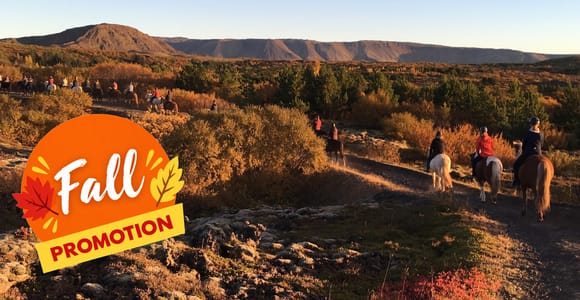 Top ratedBestsellerGuided tour · 2 - 4.5 hoursReykjavik: Icelandic Horse Ride, Lava Fields & Pickup Option★ 4.8 2 016 reviews✓ Free cancellation✓ Pickup availableAvailable tomorrowfrom €115 per personSee availability →
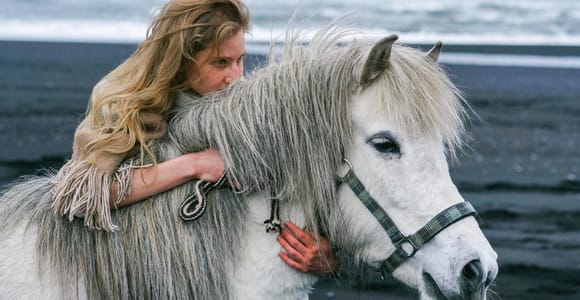 Guided tour · 3 hoursSouth Iceland: Black Sand Beach Ride on an Icelandic Horse★ 5.0 2 reviews✓ Free cancellationfrom €300 per personSee availability →
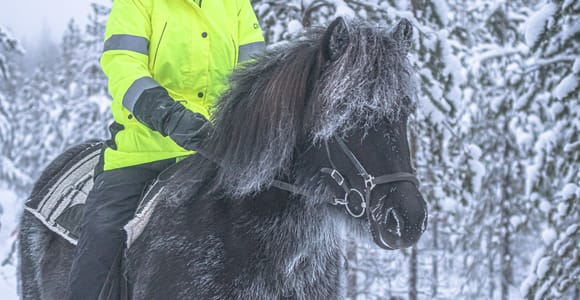 Guided tour · 1 - 2 hoursLevi: Riding Trek with Icelandic Horses★ 4.8 88 reviews✓ Free cancellationfrom €99 per personSee availability →
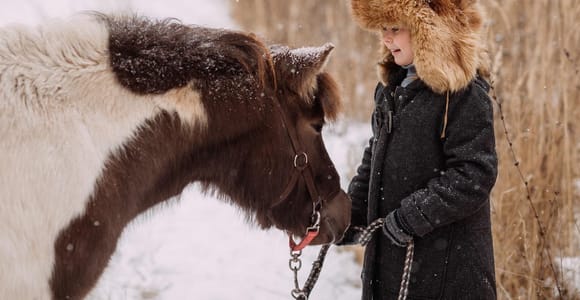 Guided tour · 3 hoursReykjavik: All-Levels Icelandic Horse Ride in Lava Fields★ 5.0 1 reviews✓ Free cancellation✓ Pickup availablefrom €263 per personSee availability →
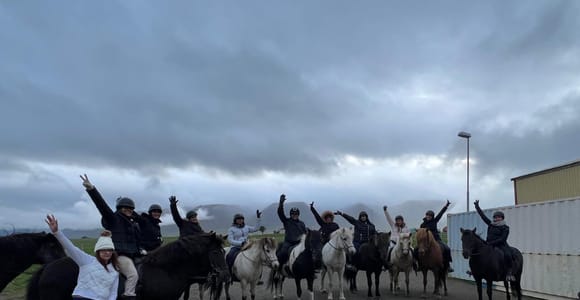 1 - 1.5 hoursAkureyri: Icelandic Horseback Riding Tour with Photos★ 4.8 13 reviews✓ Free cancellationfrom €110 per personSee availability →
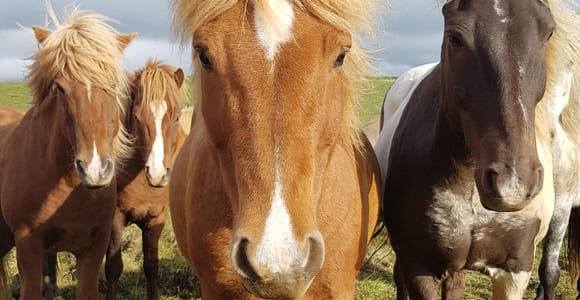 Guided tour · 2 hoursIceland: Volcanic Landscape Horse Riding Tour★ 5.0 22 reviews✓ Free cancellationfrom €170 per personSee availability →
Riding Tours Near Reykjavík
Reykjavík is located on the southern shore of Faxaflói bay in southwest Iceland. Reykjavík has a population of around 140,000, and the Capital Region reaches around 252,000.
Horses are not easily spooked, so beginners can focus on posture and gait.
You can also combine riding with day trips from Reykjavík to see waterfalls, geothermal areas or coastal cliffs.
For a quieter experience, consider Iceland private tours that include riding. Some tours also visit Iceland hot springs after the ride.
- The tölt gait provides a smooth ride for beginners.
- Icelandic horses are friendly, docile and not easily spooked due to the absence of natural predators.
- Horses weigh 330 to 380 kilograms and stand 132 to 142 centimetres high, making them sturdy.
- The breed's calm temperament and natural gaits suit riders of all levels.
- National laws prohibit importing horses, so you cannot bring your own mount.
- All riding gear from abroad must be new or disinfected before entry.
- Check safetravel.is before booking tours in remote areas.
- Horses are not usually ridden until they are four years old.
Riding in Snæfellsnes and the South Coast
Tours in Snæfellsnes often pass Kirkjufell, a pyramid-shaped mountain visible from the trail.
South coast tours combine riding with stops at Reynisfjara beach, Seljalandsfoss waterfall and Skógafoss waterfall. Riding near Vík Iceland includes views of basalt columns and Atlantic waves. Check safetravel.is before booking, as conditions at Reynisfjara can be hazardous.
The breed is still used for traditional sheepherding work in Iceland. Some tours include demonstrations of herding techniques or visits to working farms. You may see horses performing the flying pace during these displays.
Gear Rules and What to Bring
National laws prevent foreign-born horses from being imported into Iceland. Exported Icelandic horses are not permitted to return.
All equine equipment brought into Iceland must be either brand-new and unused, or fully disinfected. This includes saddles, bridles, boots, gloves and clothing worn for riding. If you plan to bring gear, check current requirements before travel.
Dress in layers, as weather can change quickly. Waterproof outer layers and sturdy footwear are useful for riding in Iceland's variable conditions.
Check the tour description before booking to see what is included.
Compare prices, reviews and free-cancellation options before you book.
Check availability →Comparing Tour Types and Durations
| Tour Type | Rider Level | Scenery | Typical Add-Ons |
|---|---|---|---|
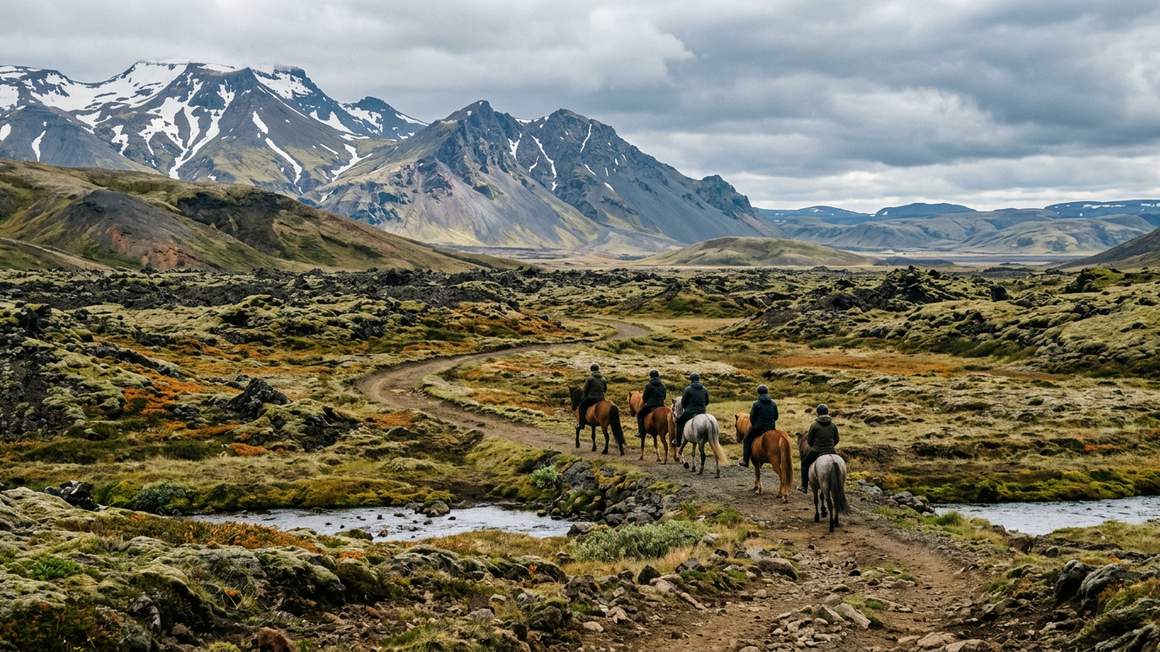
| Short near Reykjavík | Beginners | Lava fields, coastal plains | Hotel pickup, tölt instruction |
| Snæfellsnes Peninsula | All levels | Volcanic craters, black sand beaches | Kirkjufell, coastal cliffs |
| South coast | Intermediate | Waterfalls, basalt columns | Reynisfjara, Vík |
| Multi-day highland | Experienced | River valleys, mountain trails | Camping, herding demonstrations |
Check tour descriptions to see what is included.
You can combine riding with other activities. Look at Iceland small group tours or Iceland multi day tours. These packages often include glacier hikes, lagoon visits or northern lights tour Iceland options.
History and Breed Conservation
The ancestors of the Icelandic horse were probably brought to Iceland by Viking Age Scandinavians between 860 and 935 AD. In 982 AD, the Althing passed laws prohibiting horse imports. The breed has been bred pure for more than 1,000 years.
Between 1783 and 1784, the 1783 eruption of Lakagígar caused volcanic ash poisoning and starvation. Around 70 percent of Iceland's horses were killed during this period. The breed recovered, and there are now around 80,000 Icelandic horses in Iceland.
The tölt is a natural gait present from birth. The flying pace is less common. Both gaits are demonstrated at shows and races across Iceland.
Horses are not usually ridden until they are four years old. The breed is used for leisure, showing, racing and traditional sheepherding work.
Compare prices, reviews and free-cancellation options before you book.
Check availability →Combining Riding with Other Activities
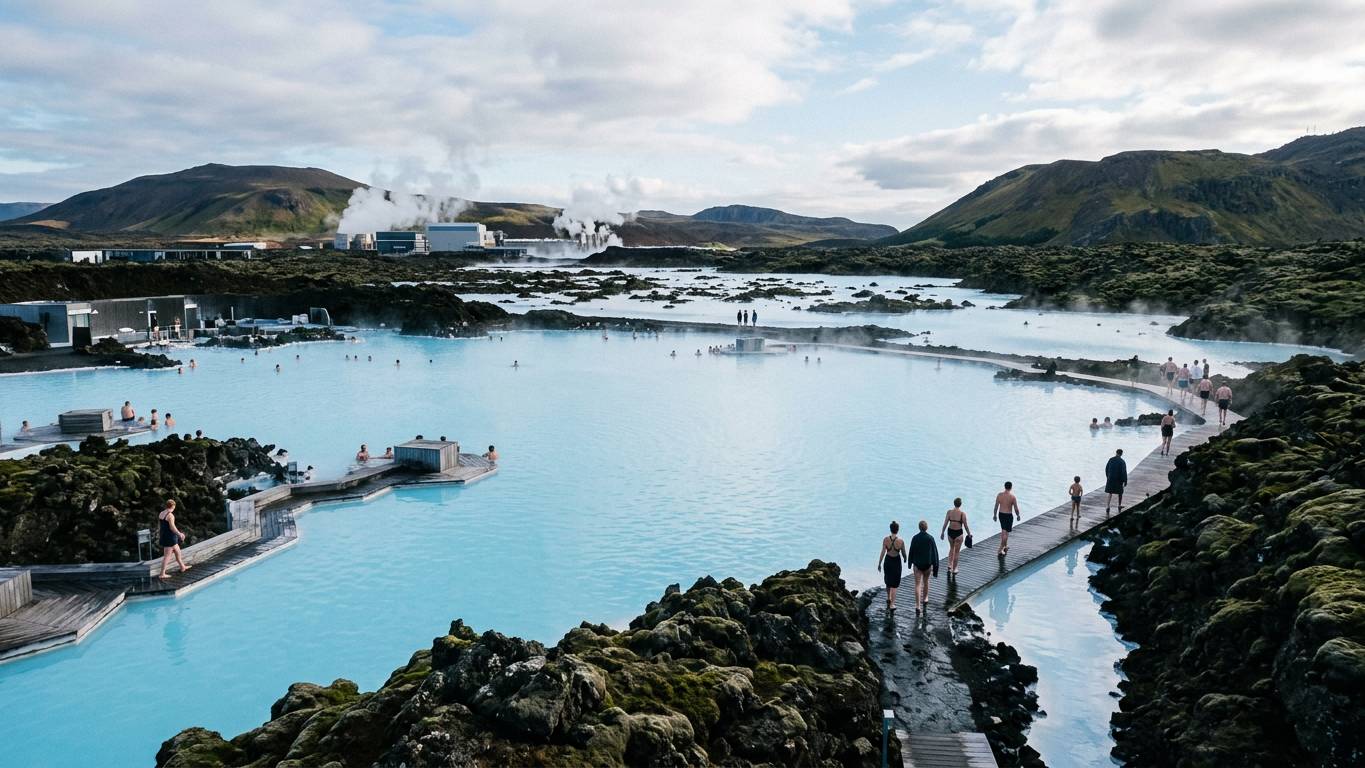
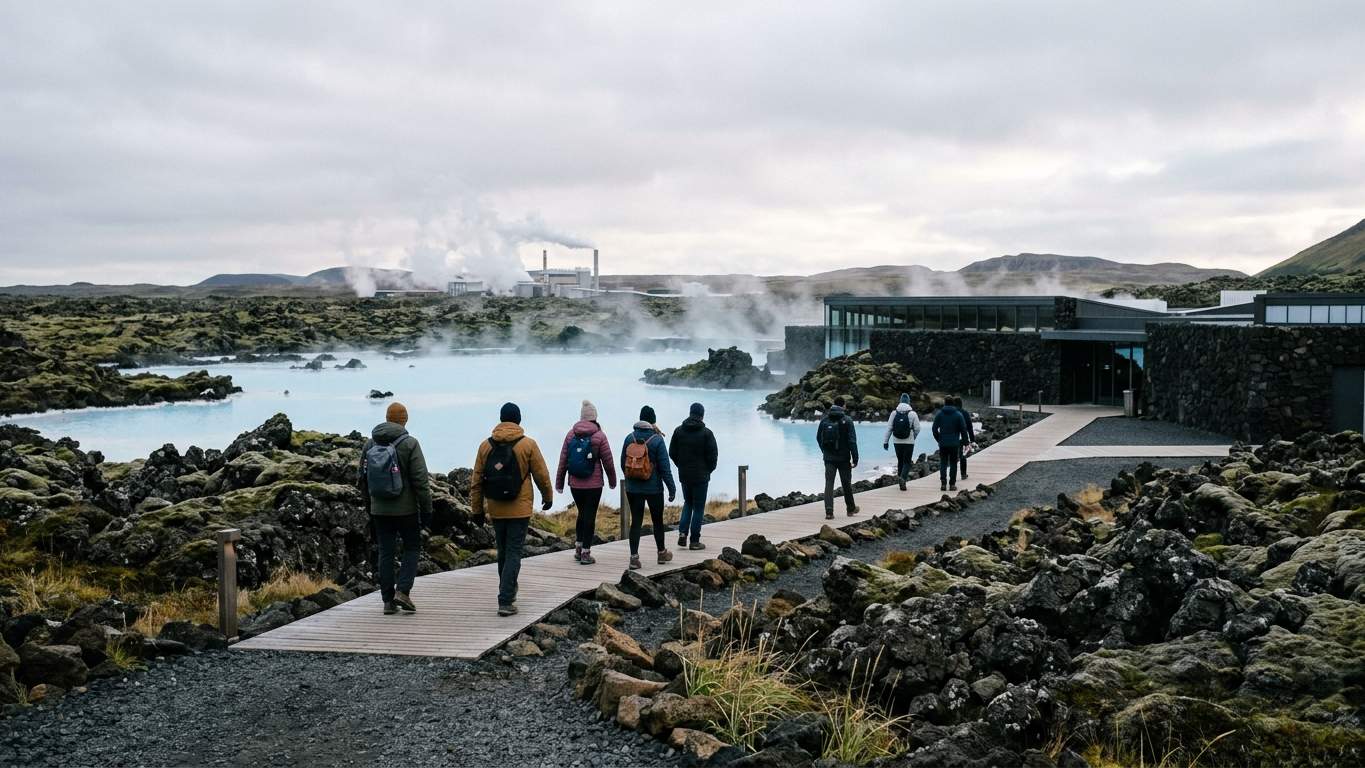
Many visitors combine riding with lagoon visits. The Blue Lagoon Iceland and Sky Lagoon are both near Reykjavík. You can book Blue Lagoon transfer options that include riding tours.
Golden Circle tours often pair riding with stops at Þingvellir National Park, Geysir Iceland and Gullfoss waterfall. The Golden Circle and Secret Lagoon tour adds a geothermal bath after the ride.
If you are interested in volcanoes, consider Iceland volcano tour options. Tours include riding near Fagradalsfjall volcano or the Reykjanes Peninsula. Check safetravel.is for eruption updates and road closures before booking.
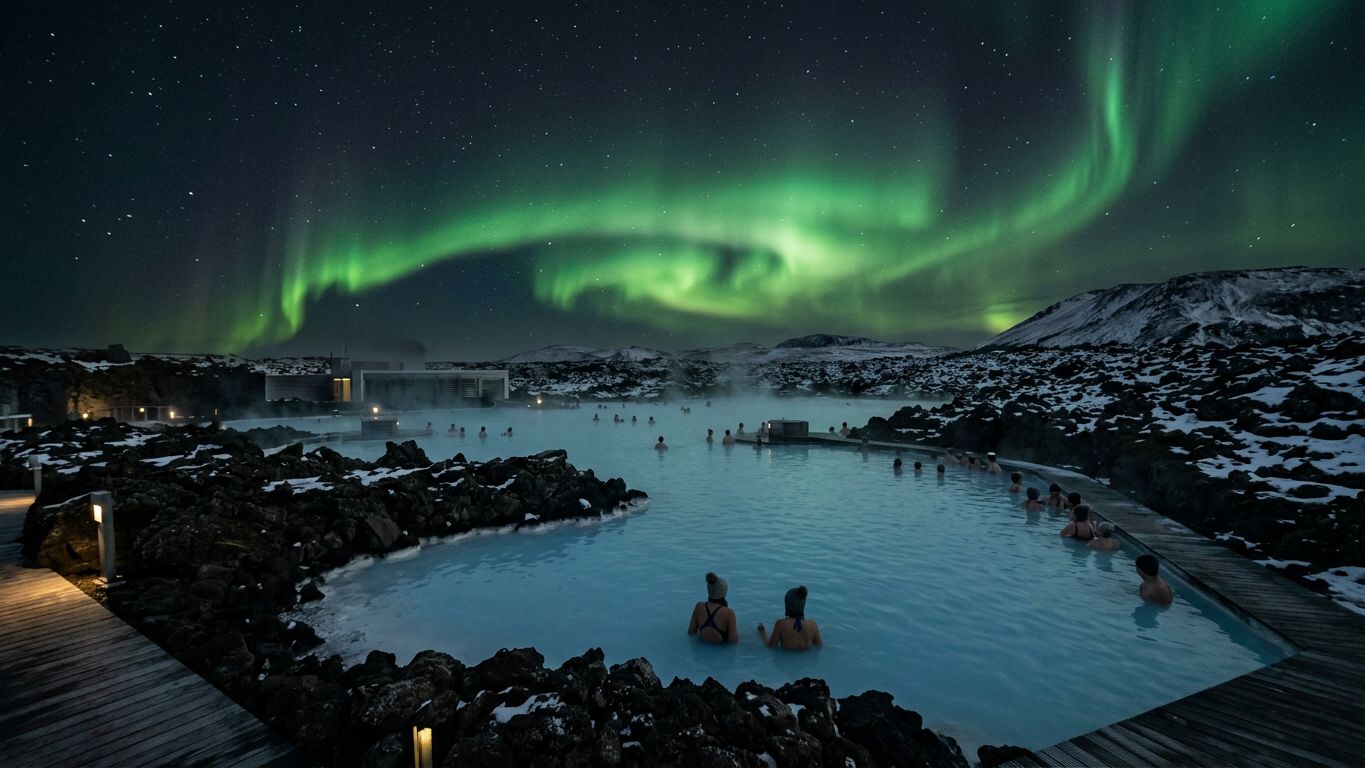
For winter visits, combine riding with a northern lights tour Iceland. Check the northern lights forecast Iceland to time your booking.
Riding the Icelandic horse offers a unique experience thanks to the tölt gait and the breed's calm temperament. Tours suit beginners and experienced riders, with options near Reykjavík and across remote regions.
Frequently asked questions
What makes the Icelandic horse different from other breeds?
The Icelandic horse is the only breed in Iceland and has been bred pure for more than 1,000 years. Many can perform the tölt, a four-beat lateral ambling gait. Some can also perform the flying pace, and some horses can reach up to 48 kilometres per hour.
Can I bring my own riding equipment to Iceland?
All equine equipment brought into Iceland must be either brand-new and unused, or fully disinfected. National laws prohibit importing horses and require strict biosecurity measures for all riding gear.
Are Icelandic horses suitable for beginners?
Yes. Icelandic horses tend to be friendly, docile and not easily spooked. The tölt gait is natural from birth. These horses are suitable for riders of all levels.
Where can I find riding tours near Reykjavík?
Reykjavík is located on the southern shore of Faxaflói bay in southwest Iceland. Check tour booking sites for available options near the capital.
What should I know about riding in remote areas of Iceland?
Weather and road conditions change quickly, especially in highland and coastal areas. Check safetravel.is and road.is before booking tours in remote regions.